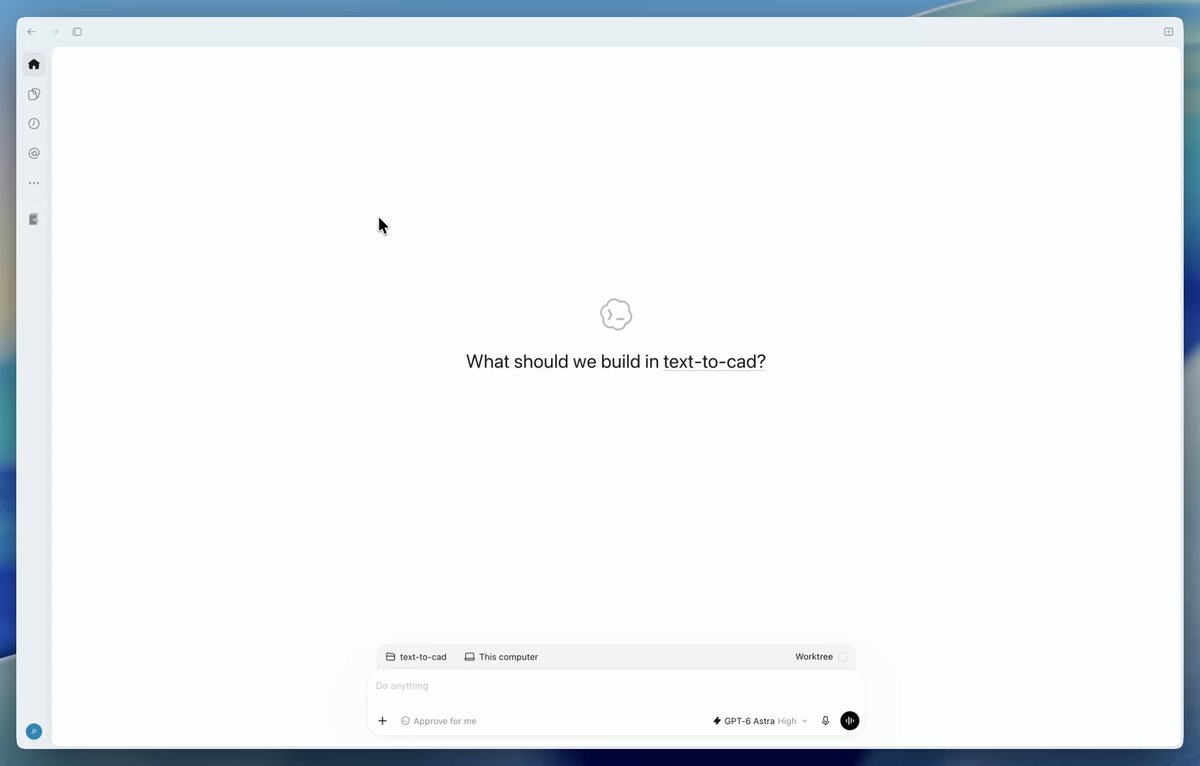
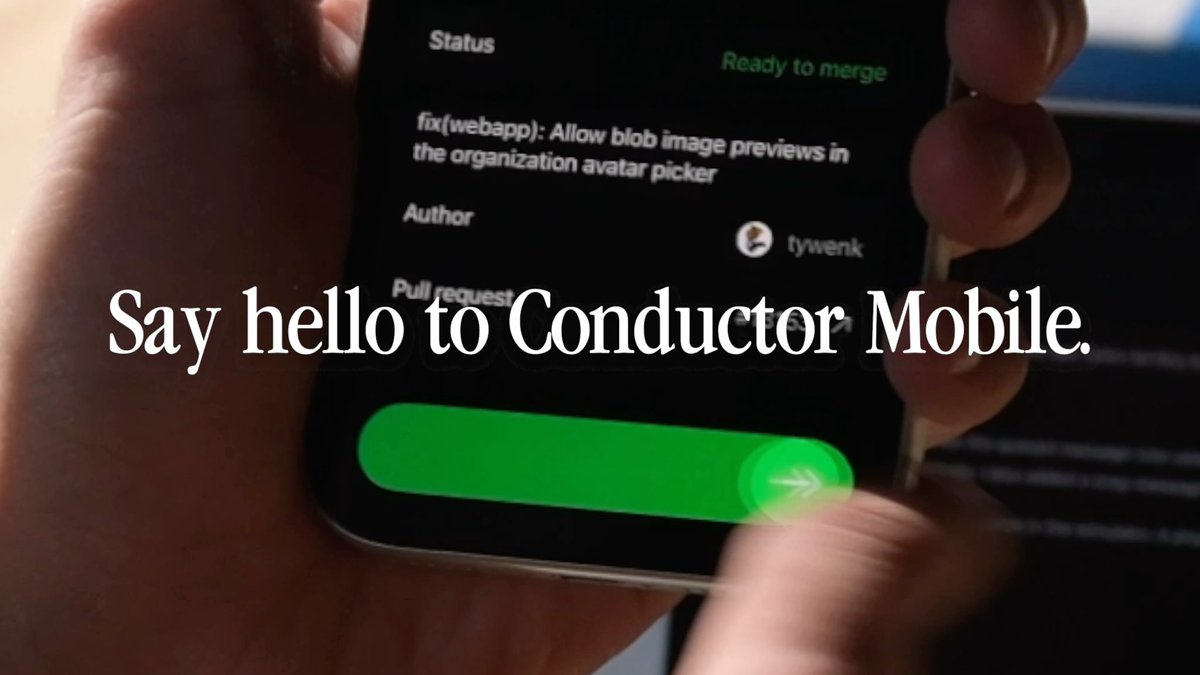
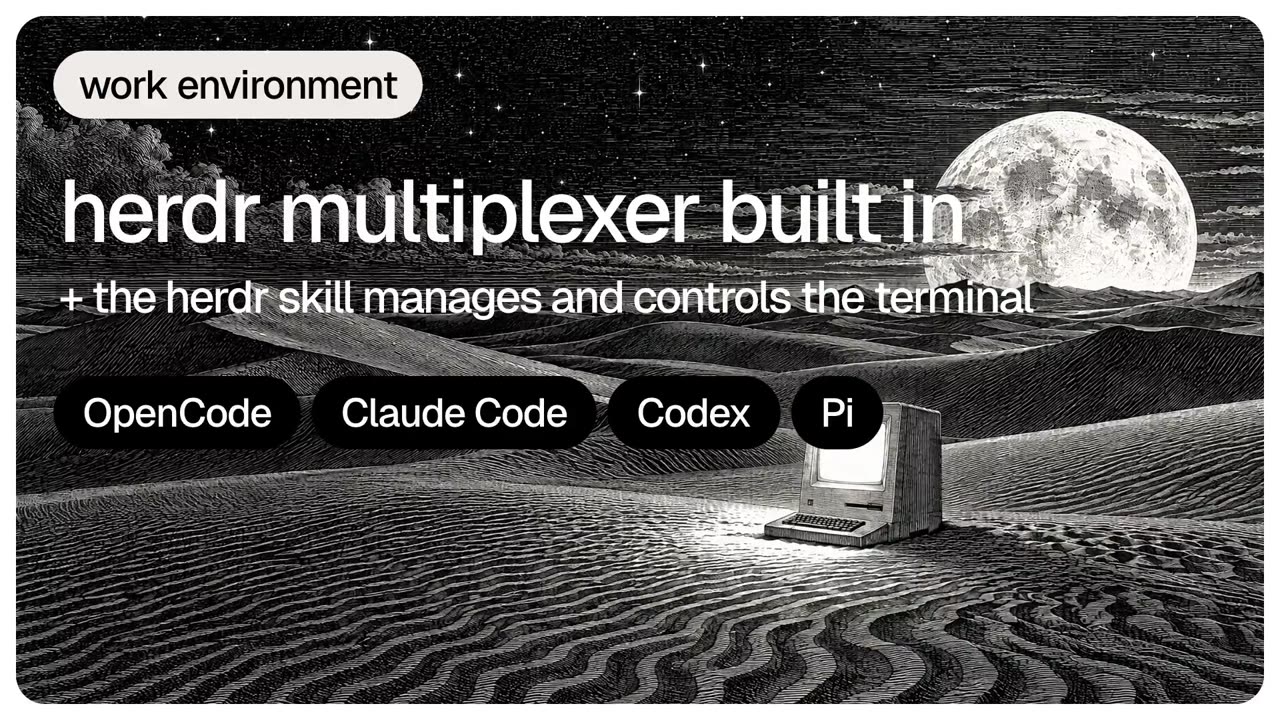
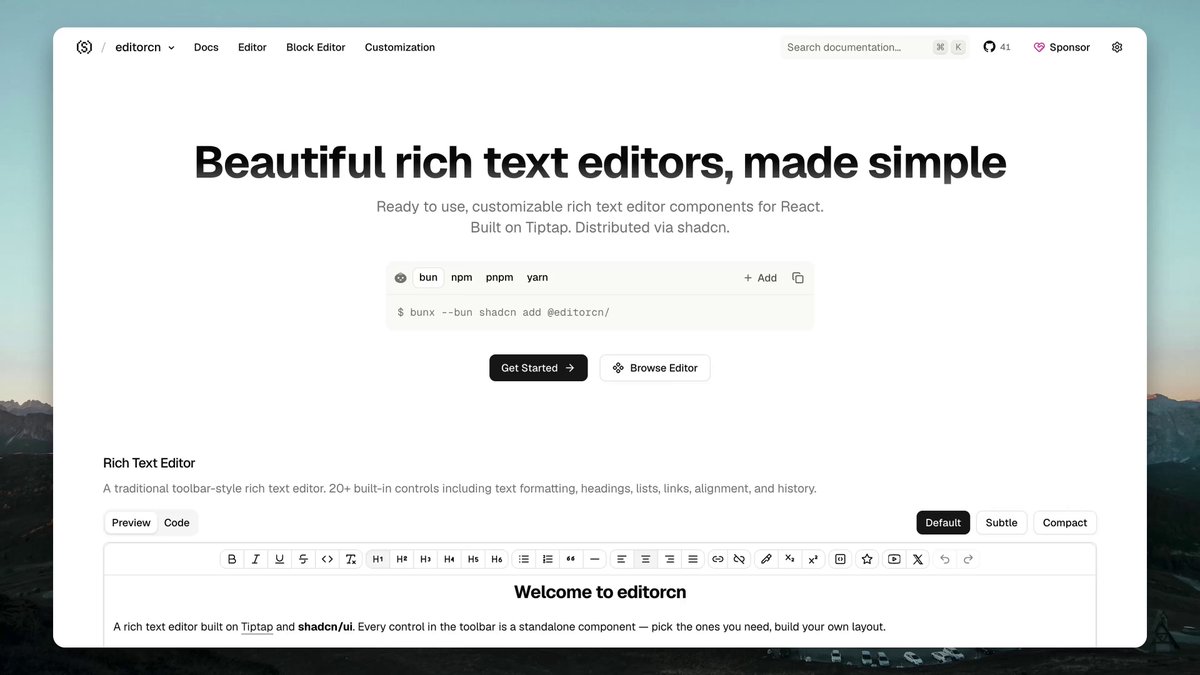
The pattern in this catalog is not a new IDE. The same shapes show up in public launches, and each one has a catch.
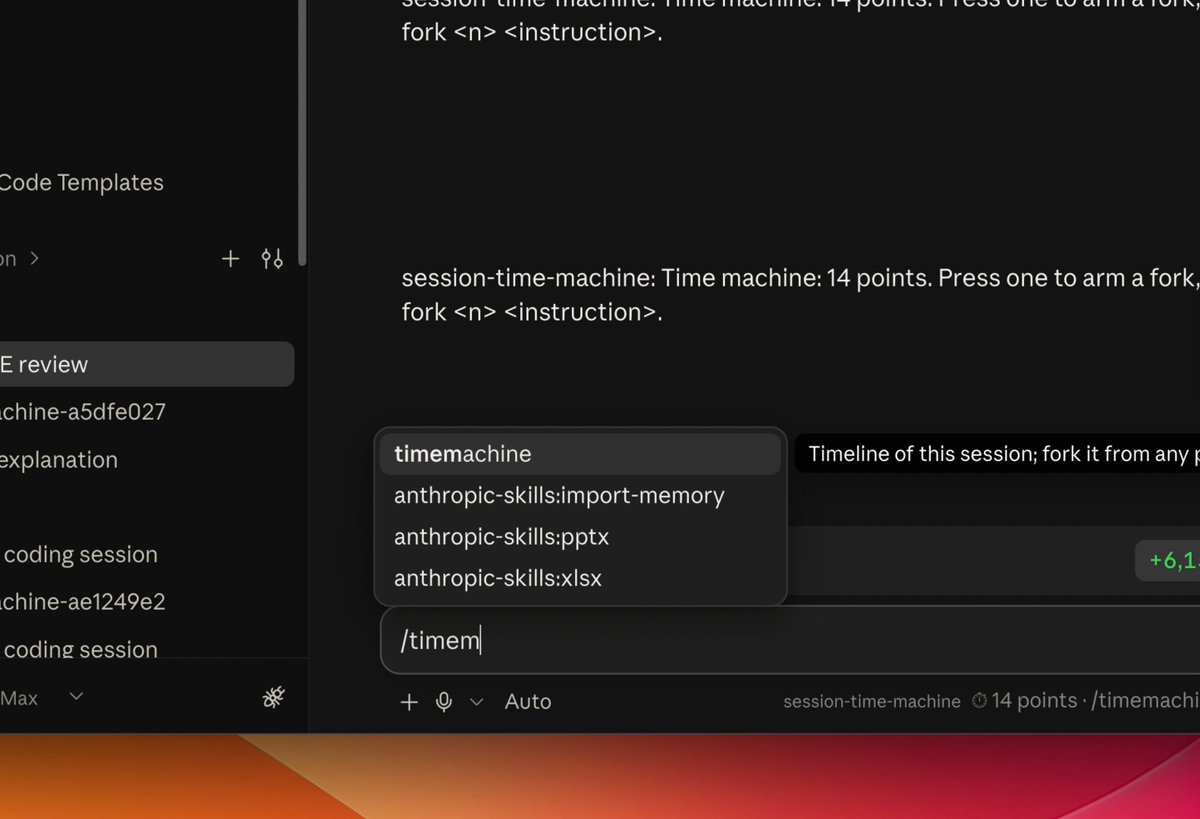
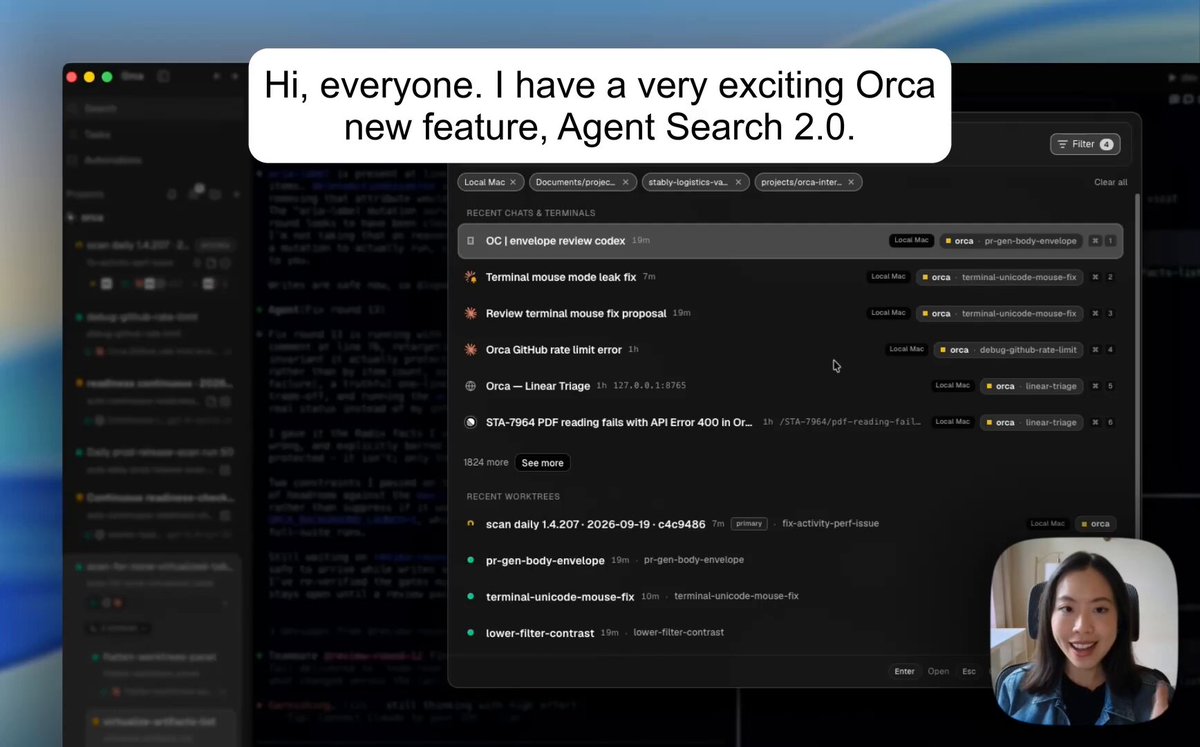
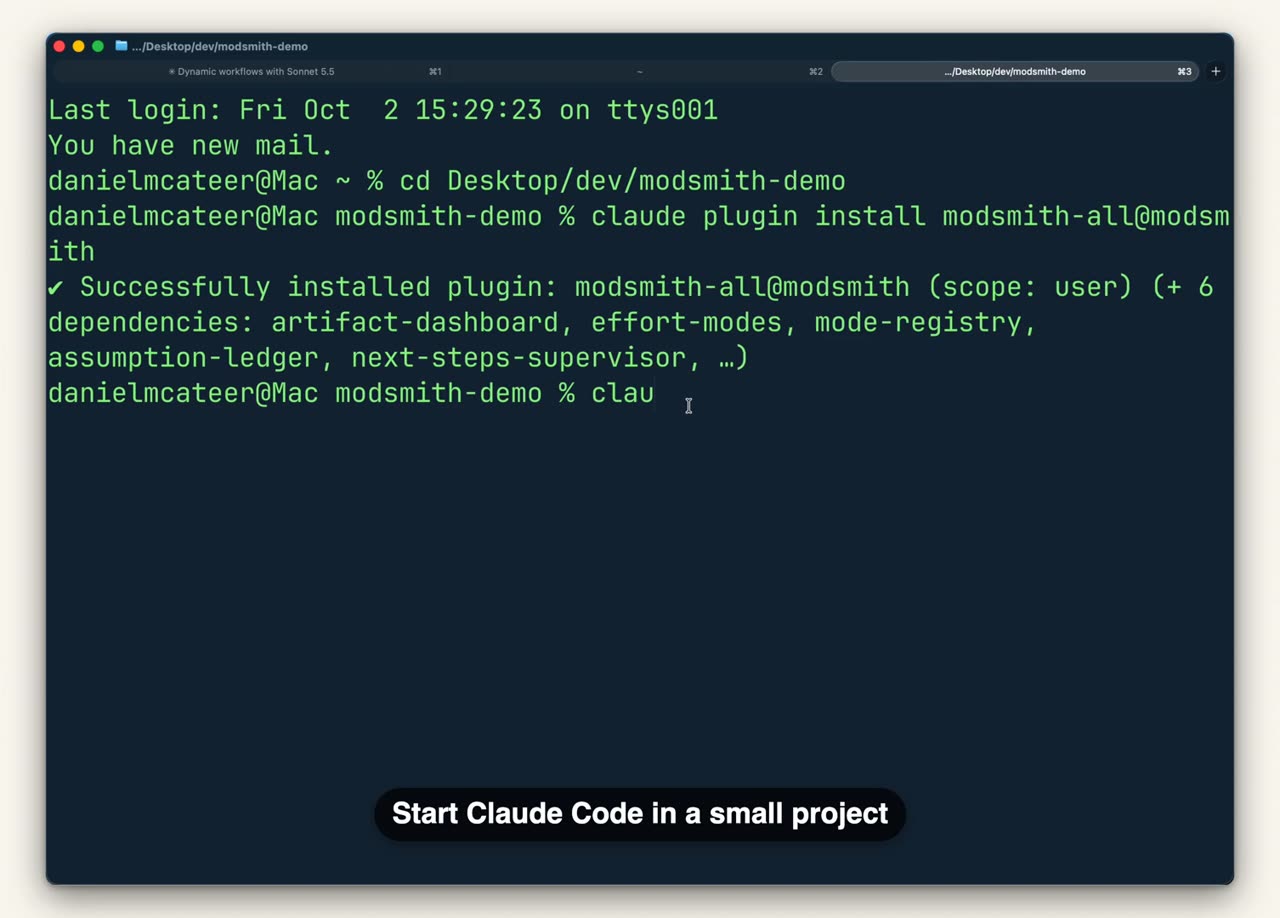
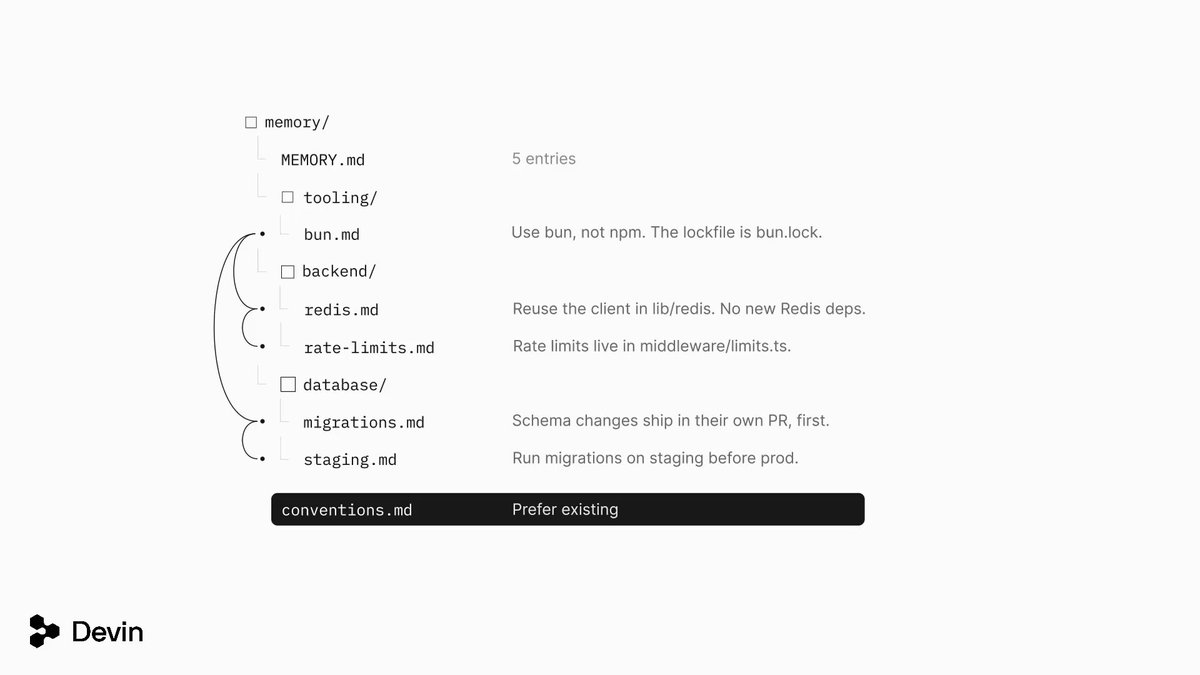
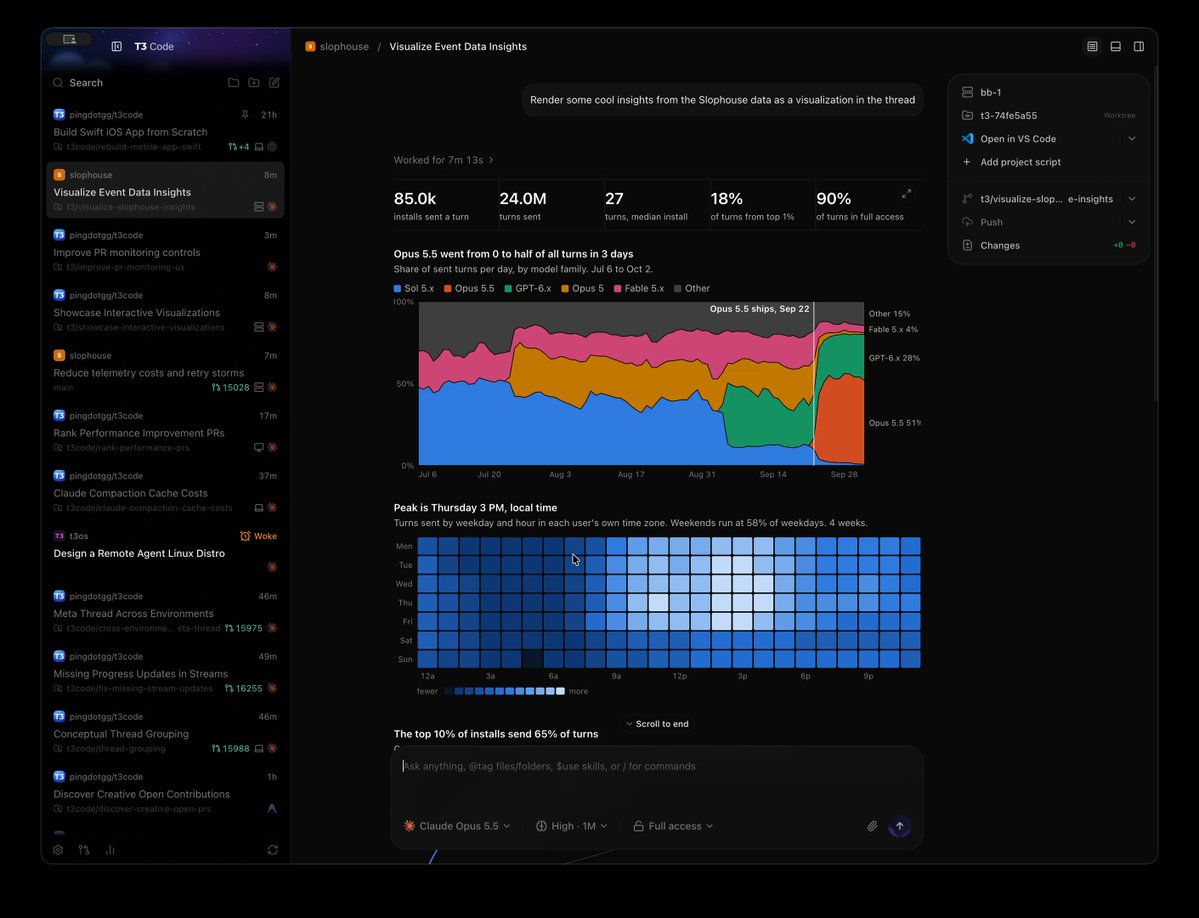
Around the coding agent, not instead of it. Memory, review, search across old runs, and a way to steer a task are easier to adopt than asking someone to switch editors. The agent is already installed. You are selling the missing step.
A place for the agent to work. As agents touch a browser, a desktop, or a repo, someone has to own permissions, the machine, and a log of what happened. That is infrastructure. It is less visible than a chat panel.
Workflows developers already have. A comment on a component, a component library, a phone view of a session that is already running. These attach to a habit. A product that needs a new daily ritual has to earn it.
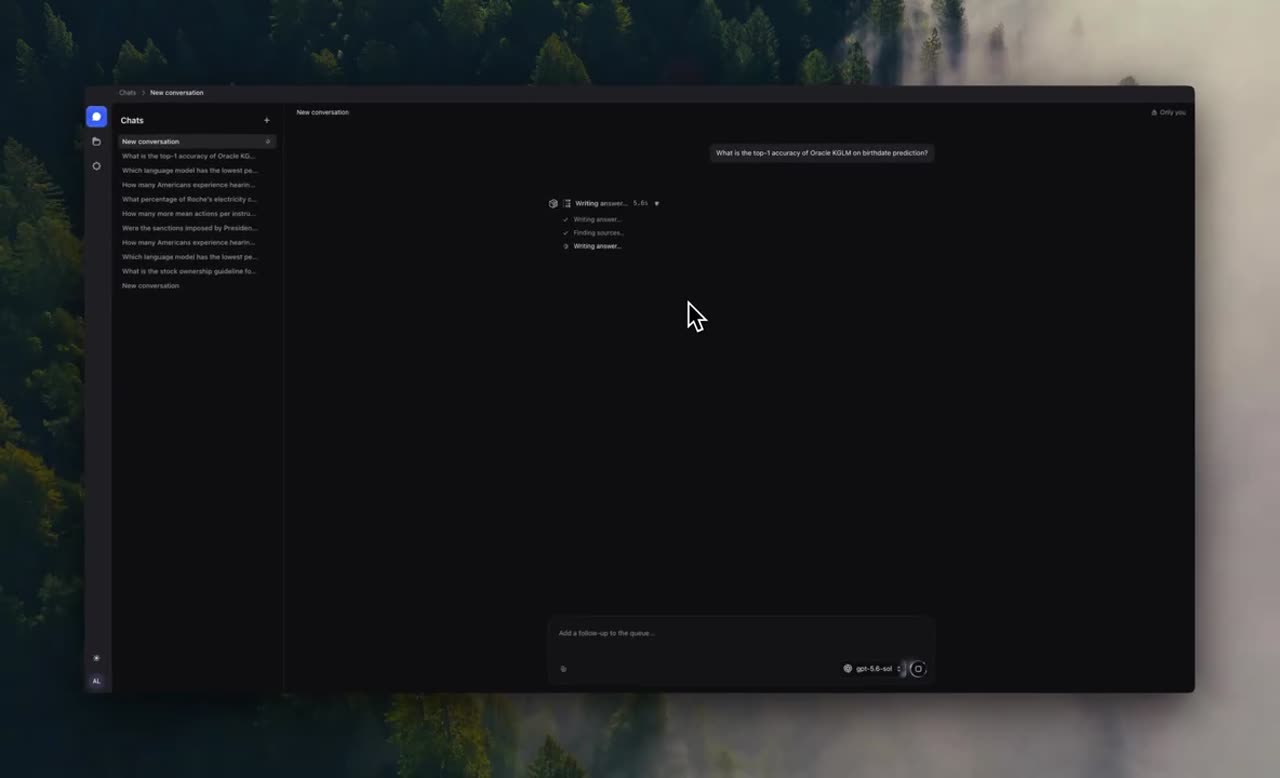
Verification after generation. Faster coding creates more code to distrust. The launches that read as businesses include a check: a trace review, a quiz after the task, a citation back to the page. A demo that only looks finished is a weaker product.
Connecting systems developers already call. Model routing, an SDK across a few networks, a page extracted for an agent. The job is the glue. If you cannot name the two systems, you do not have the company yet.