Instead of inventing hypothetical businesses, we study products founders are actually launching and turn those real-world launches into startup inspiration.
Explore startup ideas across AI, SaaS, developer tools, productivity, consumer apps and more — each backed by a real product launch you can watch.
Last updated Oct 6, 2026 · 72 ideas from public launches
Category
Model
Difficulty
Featured startup ideas for 2026
Ten launches where the problem is easy to name, the film shows a product, and the categories are not all the same. Newest is not the same as clearest.
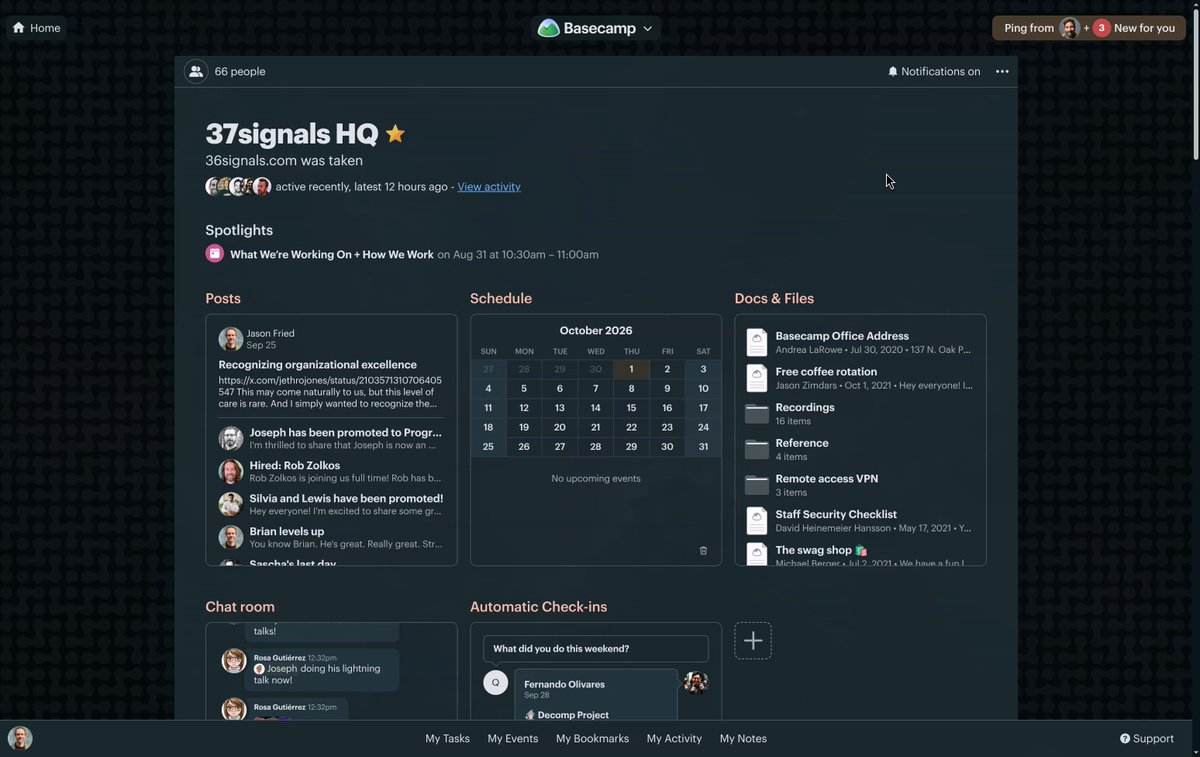
SaaS in this list is not a separate database. It is the launches that are a product someone can subscribe to, rather than a model, a file format, or a box. That includes a shared team assistant, scheduled work across Slack and mail, a marketer for one creator account, ad and video projects, and a daily note or a site review that lives inside a tool people already open. Read these beside the category they came from. The same launch is one opportunity, not two companies.
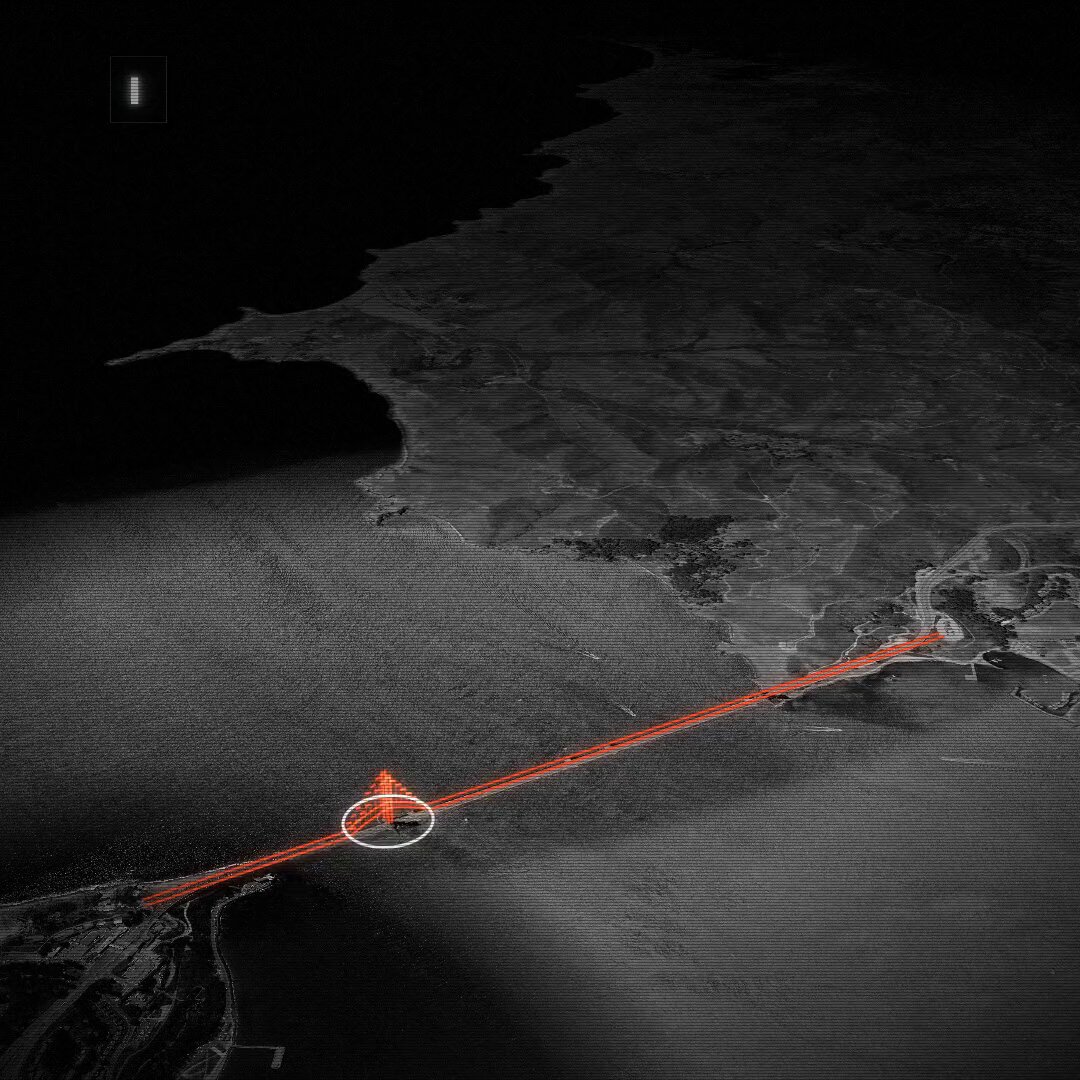
History for a place, not just a map pin — Show past states of a property, a parcel, or a piece of infrastructure when someone is deciding what to do with it.
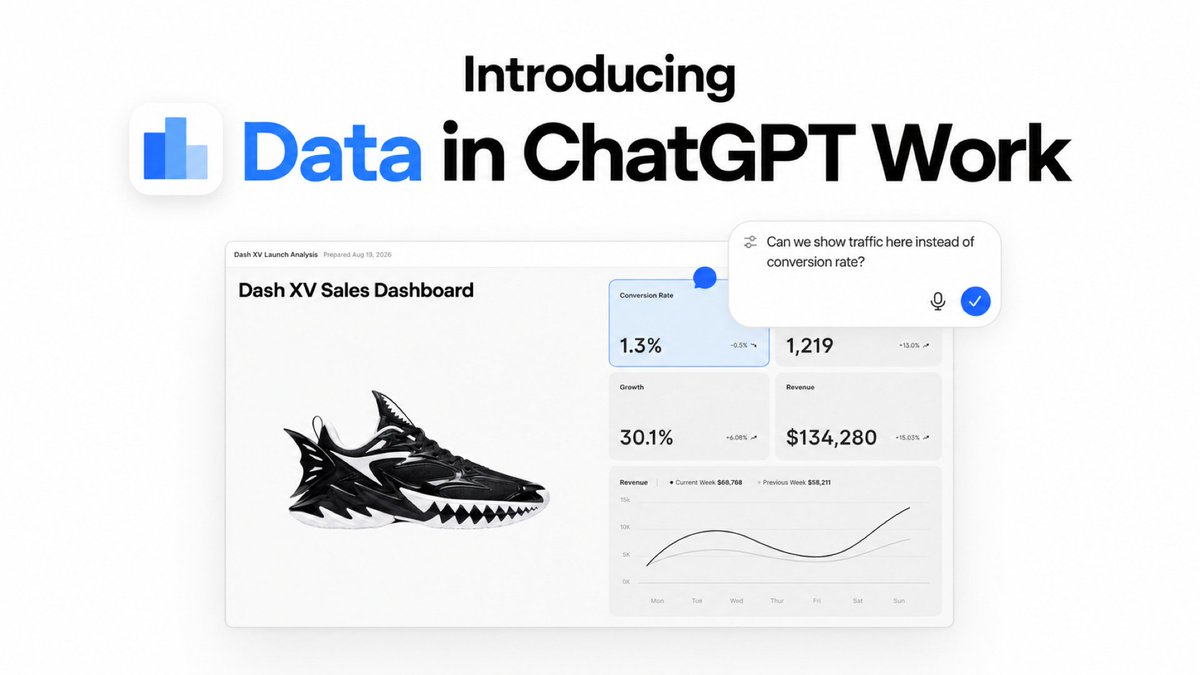
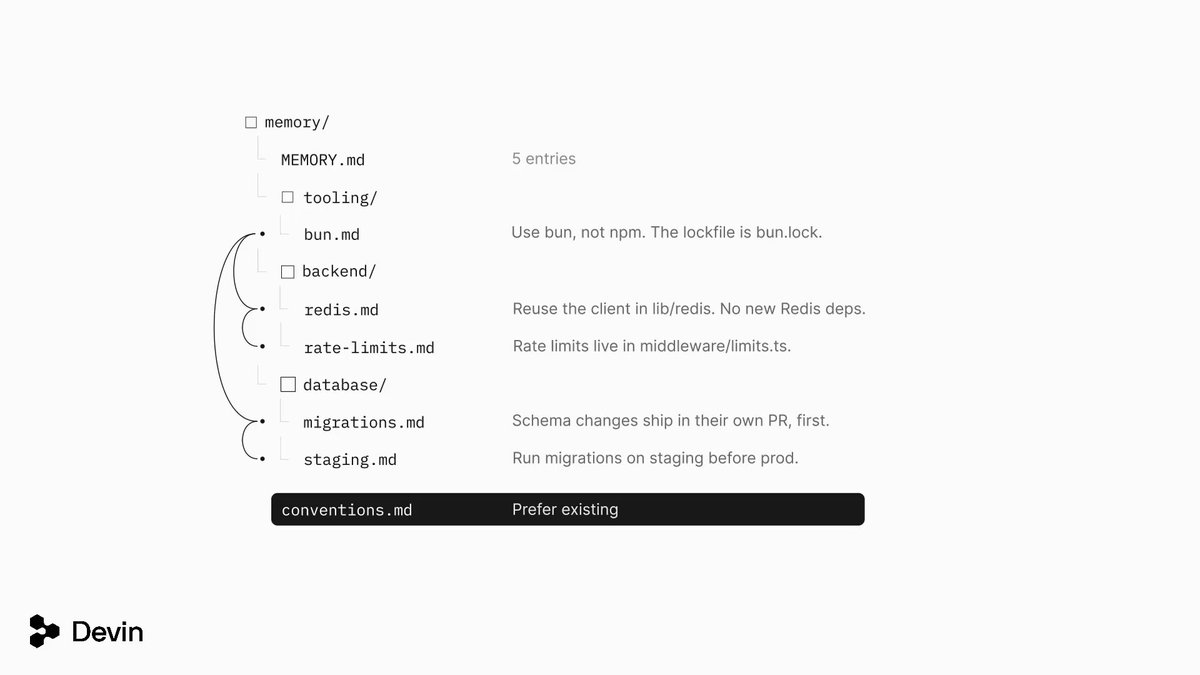
The AI products in this list are mostly unfinished jobs around a model, not another general chatbot. One launch loads the browser extensions a person already trusts before an agent opens the first page. Another keeps a memory of how a developer works and revises it between sessions. Others place the phone call, review every agent trace instead of a sample, or draft ads from a product photo and the formats that are working this week. A few are always-on: a crew you can text, a voice agent that can listen while it talks, a data question that becomes a chart. The pattern worth copying is narrow. Pick the step a model still drops — permission, memory, review, or the handoff into a tool — and sell that step.
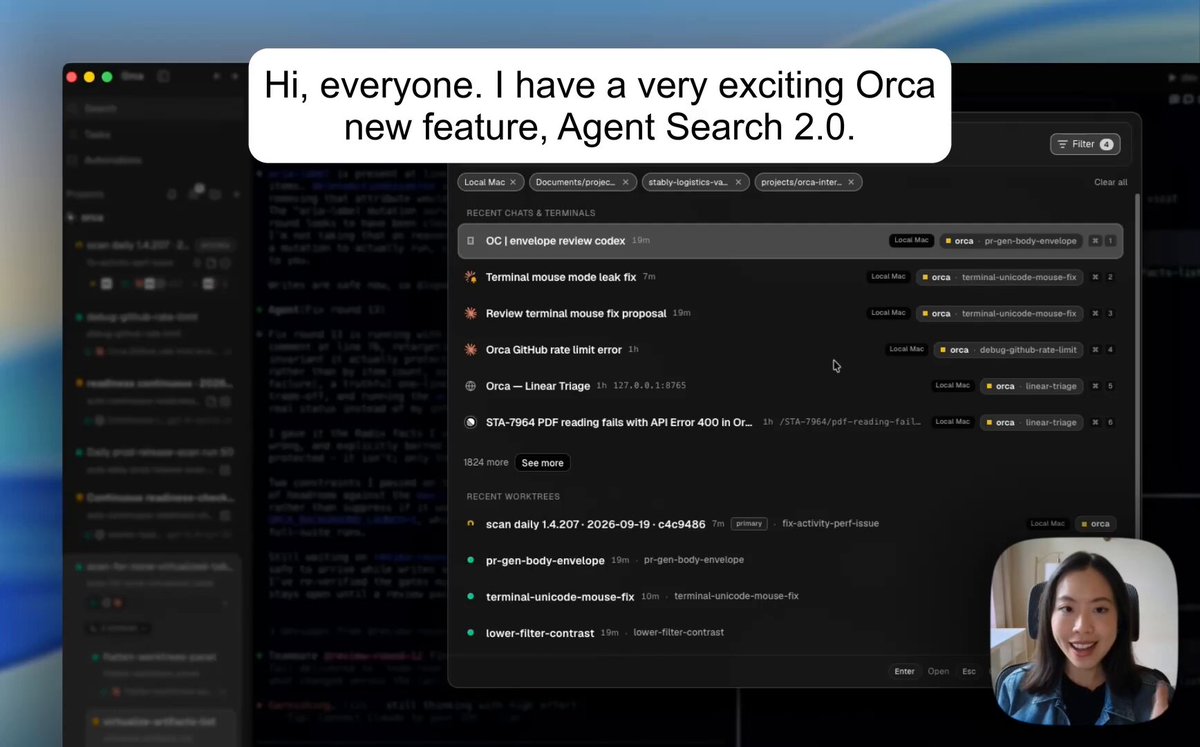
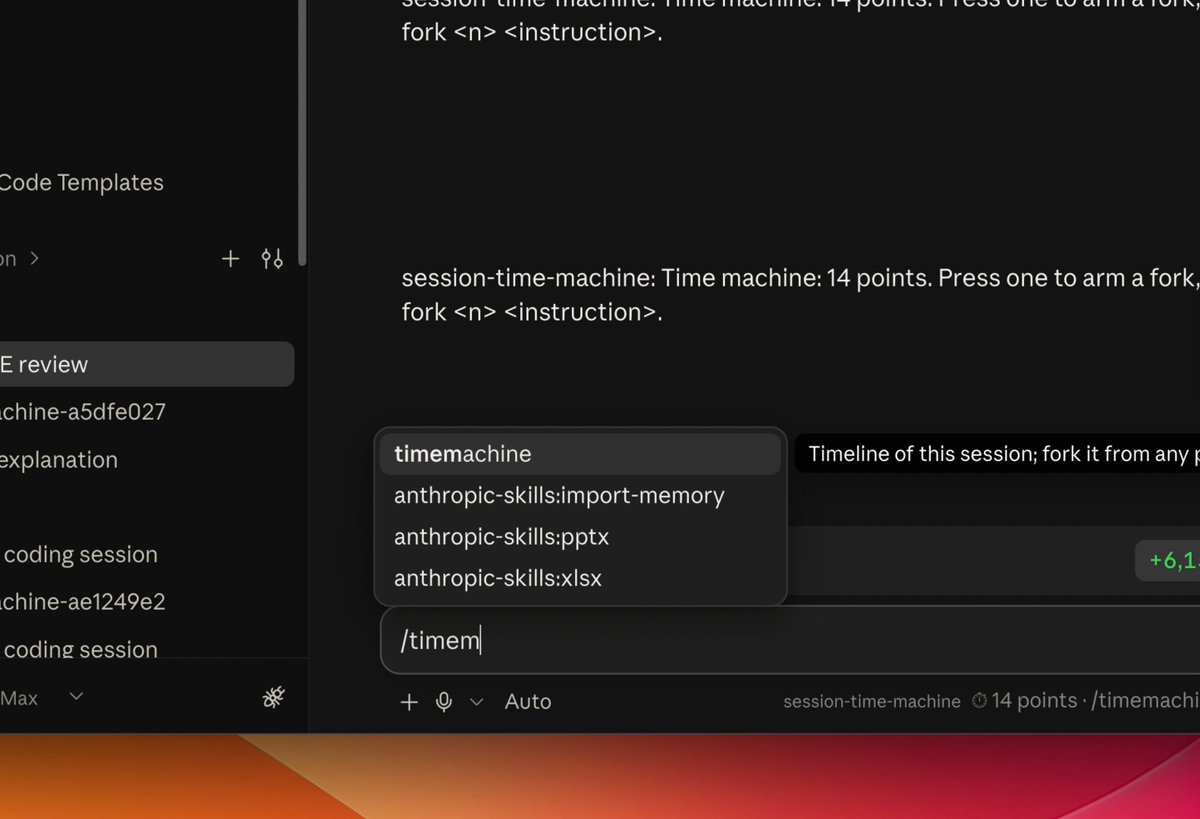
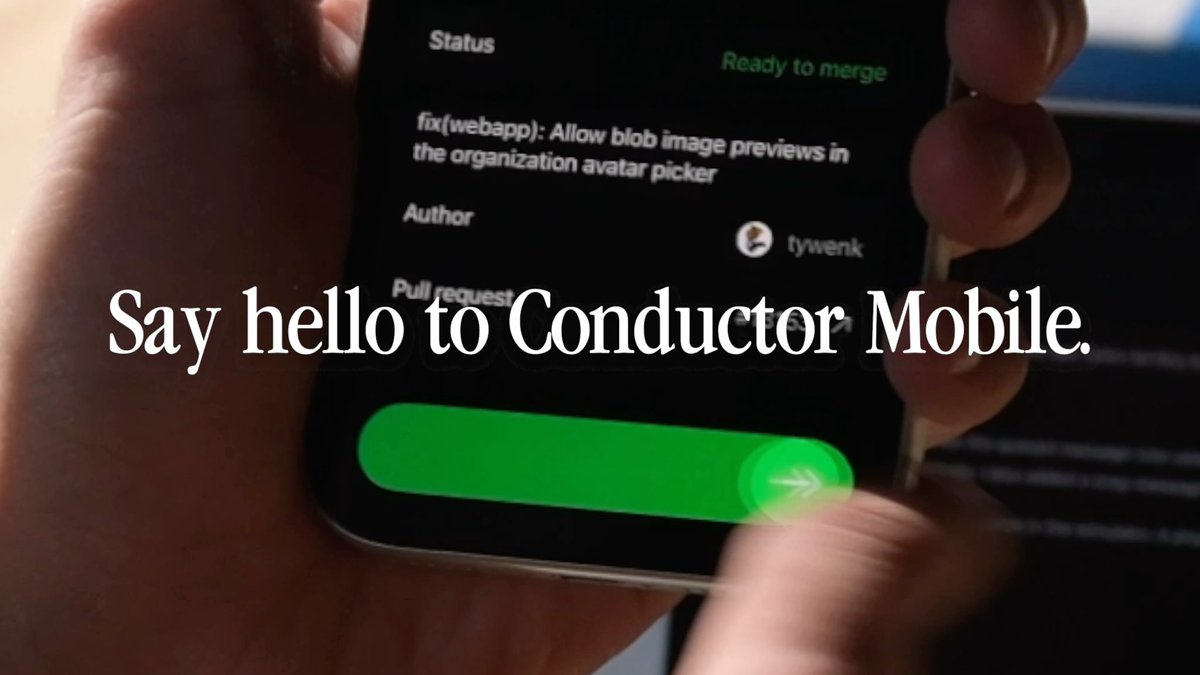
Developer launches here cluster around the coding agent, not a new editor from scratch. People want to steer a run without killing it, search an old session, fork the moment it went wrong, and see which agent is stuck without opening the terminal. Some of that is a CLI that picks an open model and prints the spend. Some of it is a phone app for cloud agents, a VM with a real desktop, or comments stuck to a component on a staging site. The opportunity is usually a thin tool a developer will adopt beside the agent they already pay for. If the idea needs them to switch harnesses, it is a harder sell than the launches suggest.
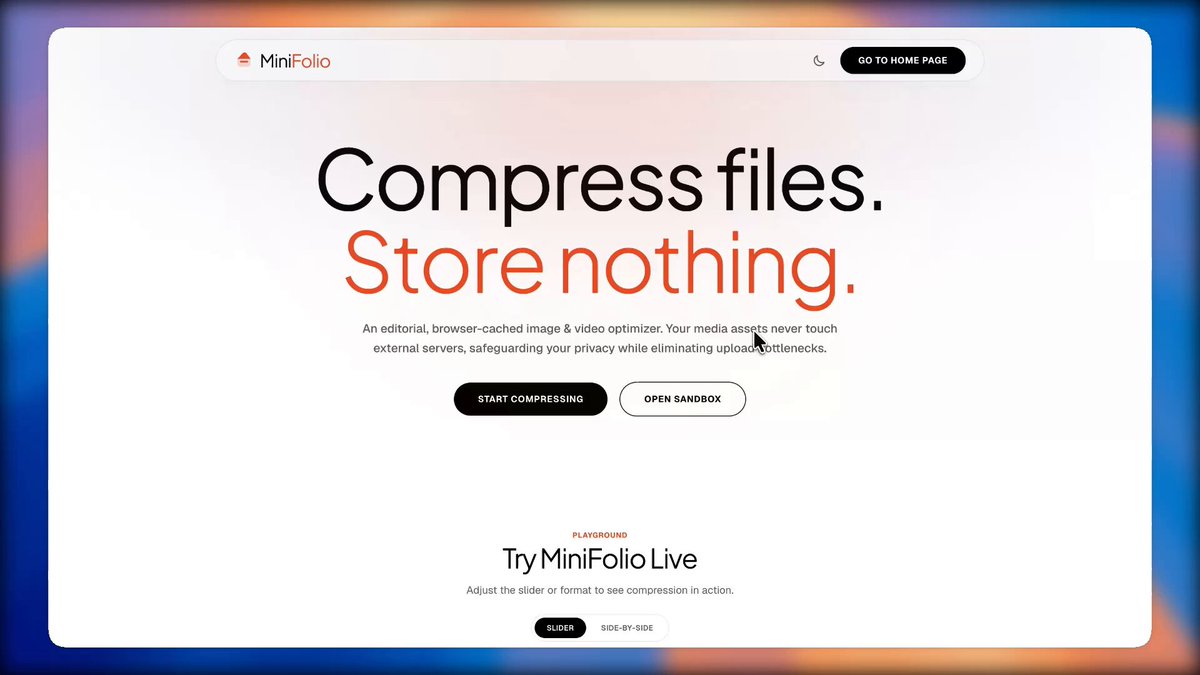
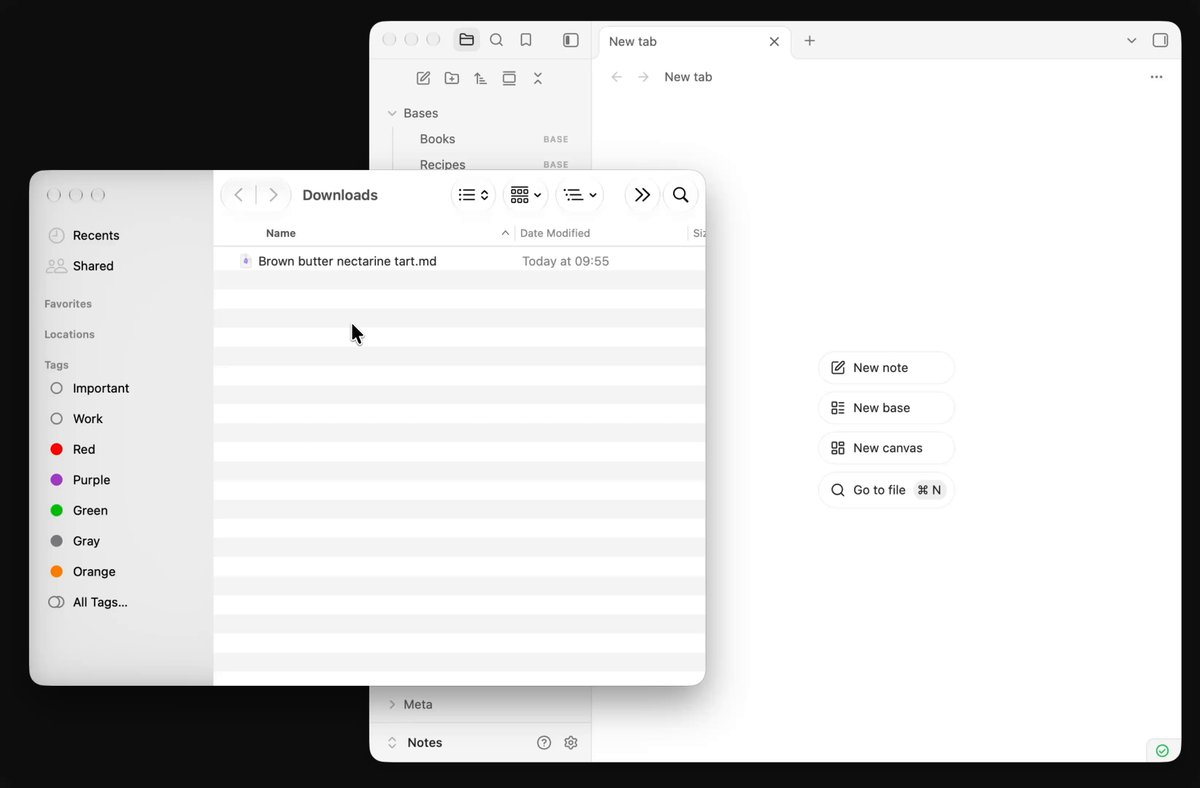
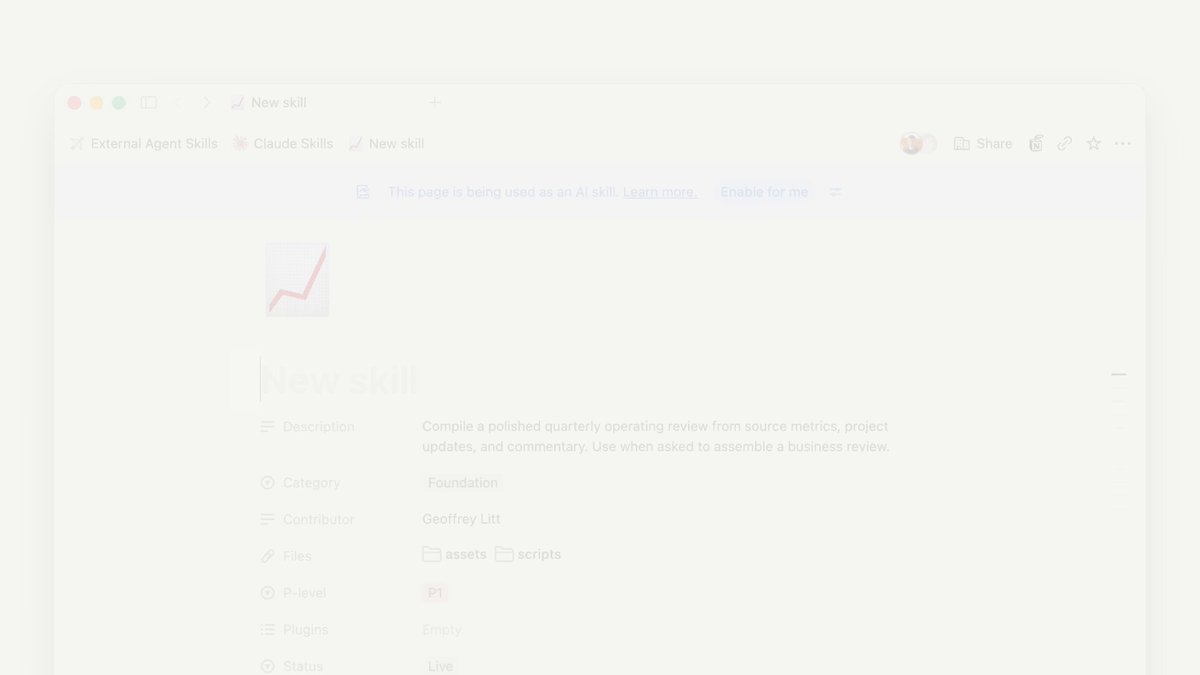
The productivity launches are smaller than the AI ones, and that is useful. One notes app keeps a single note per day and hides the days you skipped. Another compresses images in the browser so client files never get uploaded. A team writes a skill once and calls it from more than one assistant. Somewhere else, a conversation is pulled back next to the project, and a map shows what a parcel used to be. None of these need a new model. They need a person who will open them every day. If you build in this group, pick a habit that already exists and remove a step, instead of asking for a new workflow.
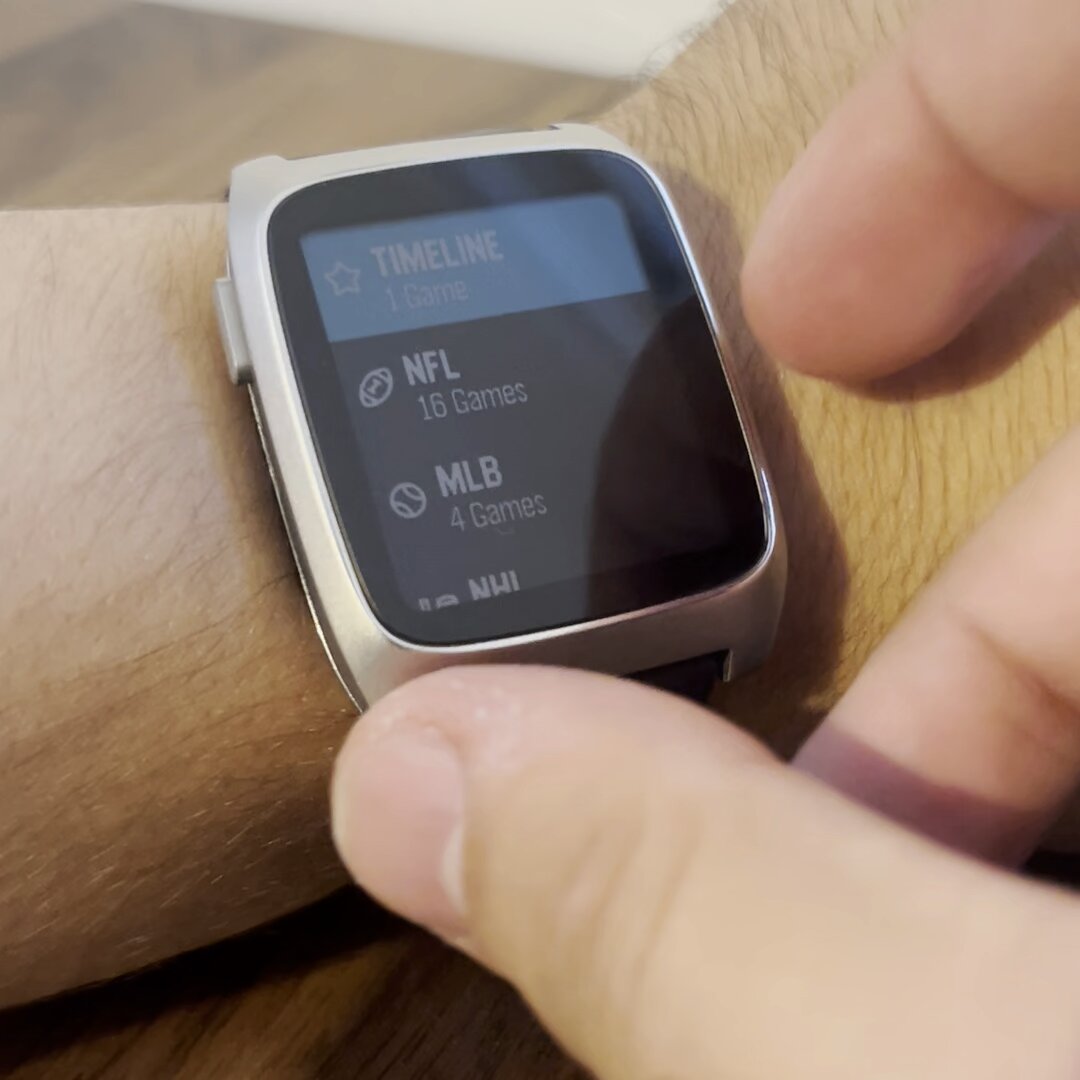
Consumer launches in the catalog are few, which is the point. A watch that shows live scores, a watch that records the day and turns it into a transcript, and two small Mac browsers that try to be calmer than a heavy Chromium shell. These are not hypothetical apps. Someone shipped a film of the thing working. The risk is distribution: a watch app depends on the watch, and a browser depends on people leaving the one they know. A startup here should copy the constraint, not the whole product. One job, on a device the person already wears or a browser surface they already resent.
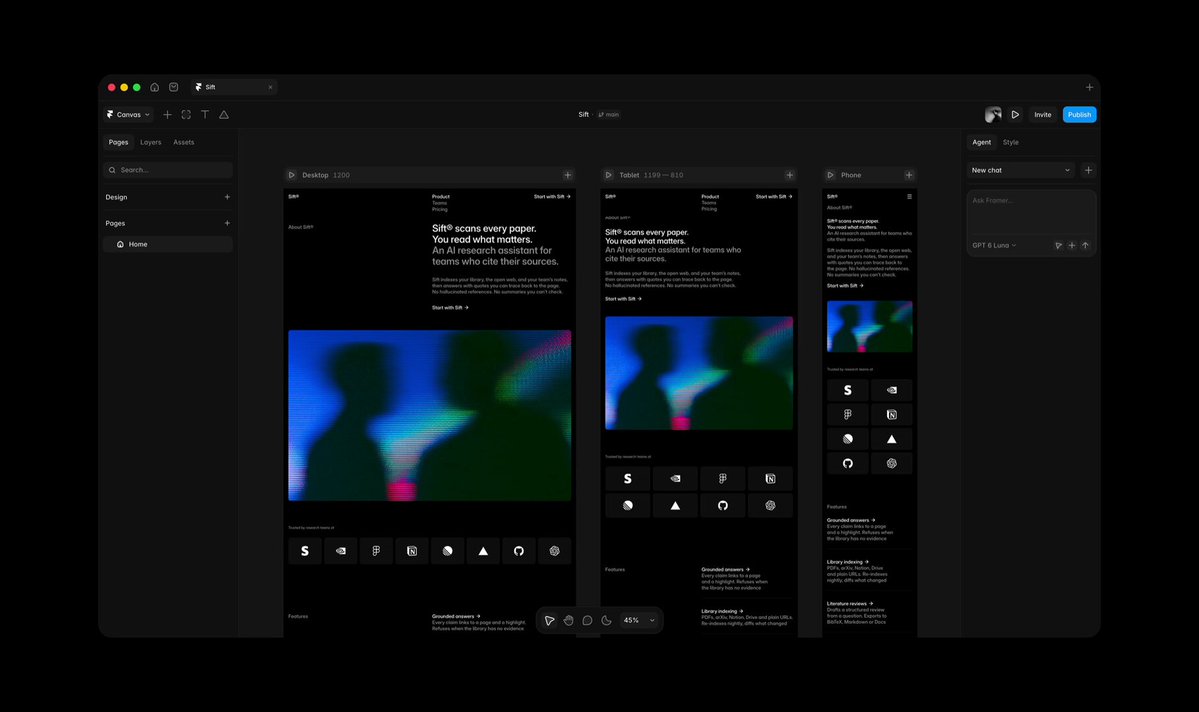
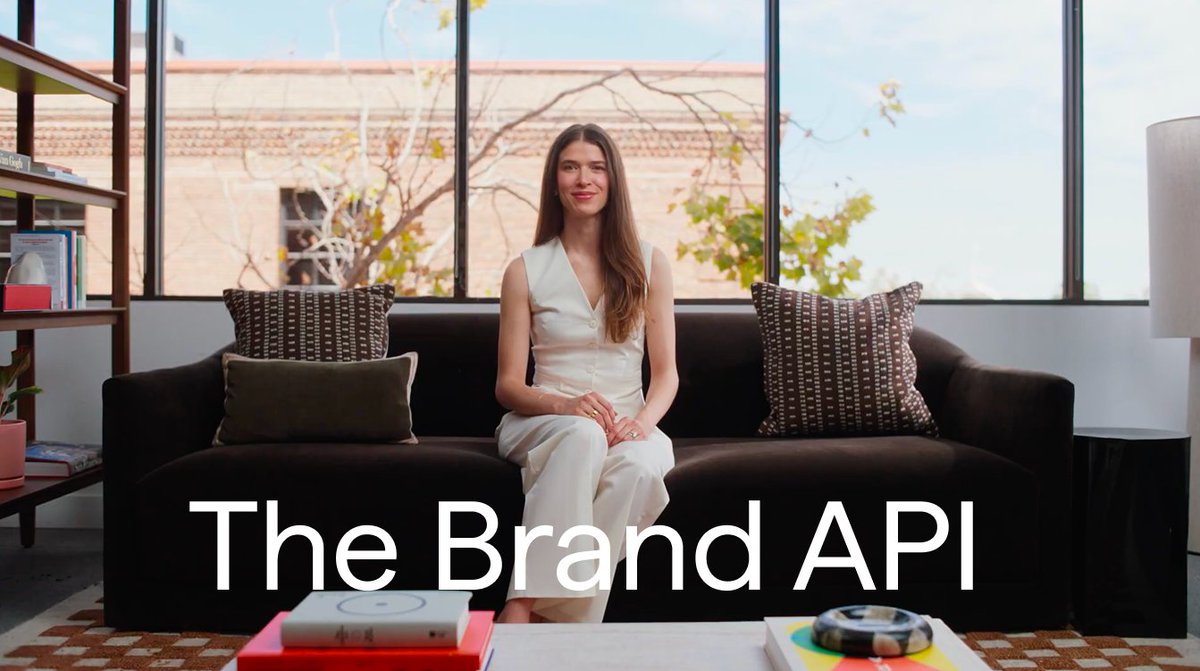
Design launches in this set are about stopping agents from making the same generic interface. One tool defines a visual language the agent has to follow. Another searches a library of real sites. A third lets a person edit the running app and sends that change back to the agent. There is also CAD that checks whether a part can be printed or cut, screens borrowed from shipped apps, and a brand API that scores new work. The customer is usually a developer or a designer who is already in the loop with an agent. An idea that only produces a prettier picture, with nobody to accept it, is weaker than what these teams actually shipped.
Three hardware launches, and they are not the same business. One is a personal computer built around an assistant, with a page where you can order it. One asks what a personal computer should be if it is a studio. One is much more ordinary and more sellable tomorrow: storage math, remote cameras onto an NVR you already own, and a video wall you can scrub. Hardware ideas from a film are easy to overread. The useful question is whether a buyer can order a unit or whether the post is still a point of view. Both can be a company. Only one of them is a product this year.
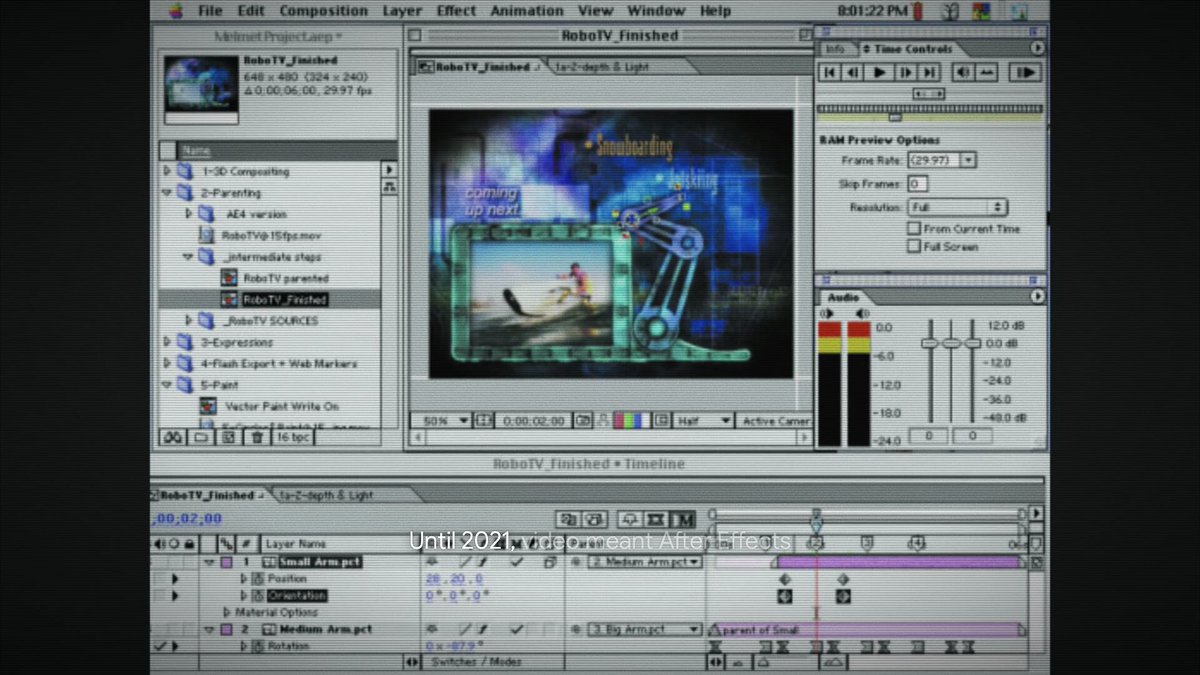
Motion launches are about the launch film itself, which is fitting for this site. One tool one-shots motion, sound, and a voiceover. Another shares a timeline between a person and an agent so the cut can be fixed. Others retiming a shot, render from a coding agent on a Mac, or keep script, storyboard, and preview in one project for a short-drama team. The buyers are founders and small studios who already know the film matters and do not have an editor on staff. A startup in this lane should keep the timeline editable. A file you cannot fix is a demo, and several of these teams were careful not to ship only that.
We track real product launches that were posted in public, with a film attached.
We write down the problem that product is actually solving, in the customer’s words where we can.
We look for a broader opening behind that product: a narrower customer, a missing step, or a different way to charge.
We file the opportunity by who it is for and how a first version might make money. If that is unclear, we leave it out.
We link the original launch so you can watch what the founder chose to show.
This is a curated reading of those launches. It is not a feed, and it is not a claim that any of these companies should be copied.
How to choose a startup idea
Look for a problem that shows up in more than one launch, not a single feature you liked.
Name a customer group the original product is not really for.
Narrow the idea until a first version is something one person can ship.
Validate demand with people who already do the job, before you build the full thing.
Watch the original launch for positioning: what they demonstrated is the part they think matters.
Differentiate. The film is evidence, not a spec for a clone.
Questions people ask
What are the best startup ideas for 2026?
The stronger ideas on this page are the ones tied to a product someone already shipped: a missing step around an agent, a tool a developer will open beside the one they pay for, or a small daily habit. Start with the featured set, then stay inside one category long enough to see the same problem twice.
How do I choose a startup idea?
Pick a problem you can describe without the product name. Check that a real launch already exists, then narrow the customer until you could name ten of them. If you cannot say who pays and what they do today, it is still a topic, not an idea.
Are AI startup ideas still worth building in 2026?
A general chatbot is a crowded pitch. The launches here are more specific: memory between sessions, phone calls, review of agent traces, ads from a product photo, voice that can listen while it talks. Those jobs are still open if you own one step and a customer who feels it weekly.
How do I validate a startup idea?
Watch the original launch and note what the founder chose to show. Then talk to people who already do the job by hand. A useful test is whether they will spend time on a rough version, not whether they say the idea sounds interesting.
Should I copy an existing startup?
No. The launch is evidence that a problem is real. Copying the company means competing with their brand, their distribution, and the film they already posted. Use the launch to find a narrower customer or a step they left unfinished.
What startup can a developer build alone?
Look at the Easy and Medium developer-tool and productivity ideas: a capture box, a local compressor, a session search, a menu-bar status for agents, a checklist inside a tool people already publish with. One person can ship a first version of those. Hardware, foundation models, and full video platforms are the wrong shape for a solo build.