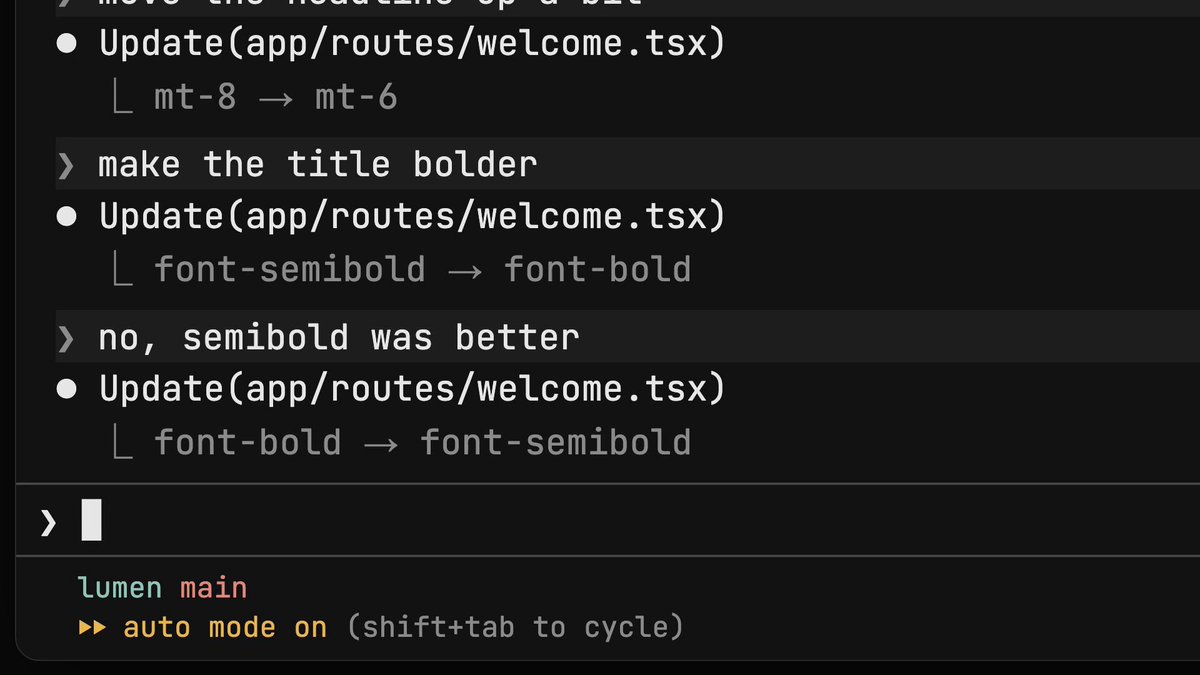
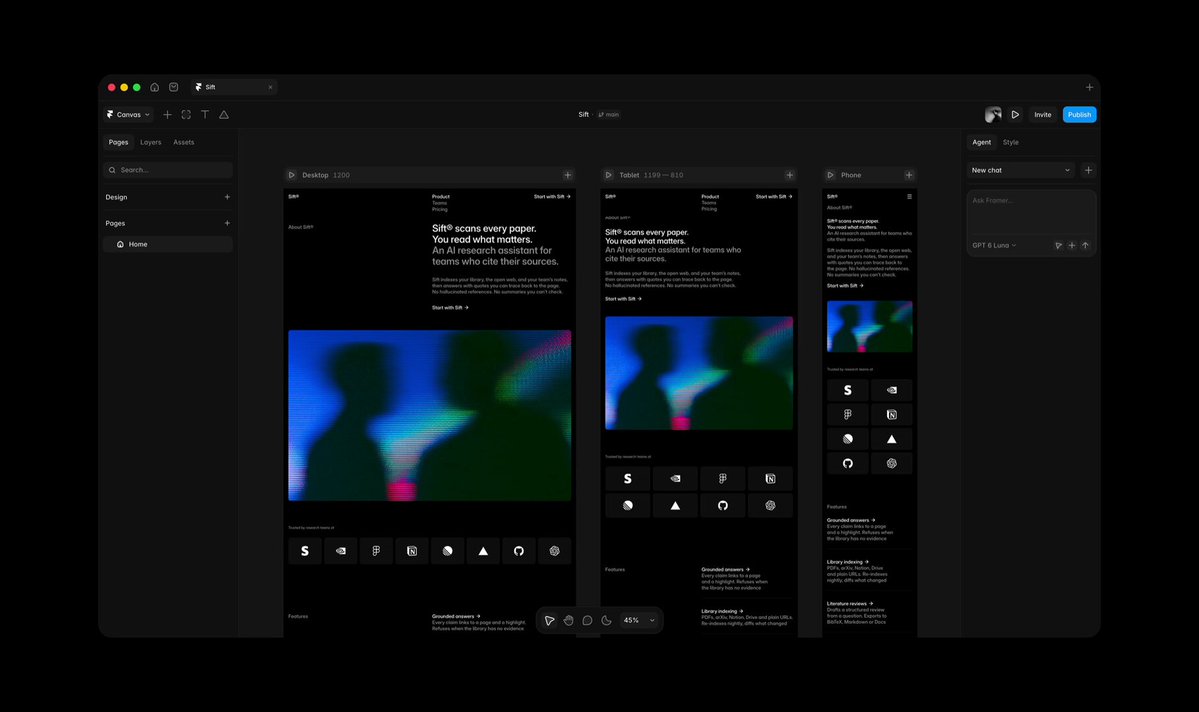
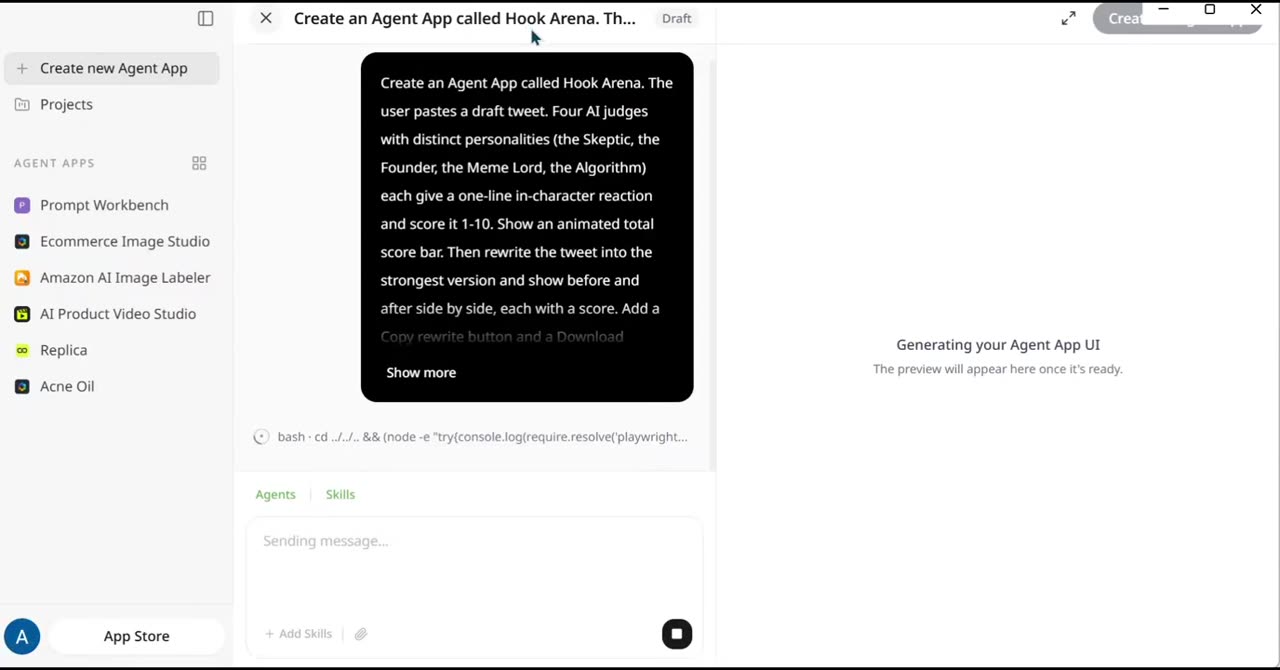
The pattern in this catalog is not “add a chat box.” The same shapes keep showing up in public launches, and each one has a catch.
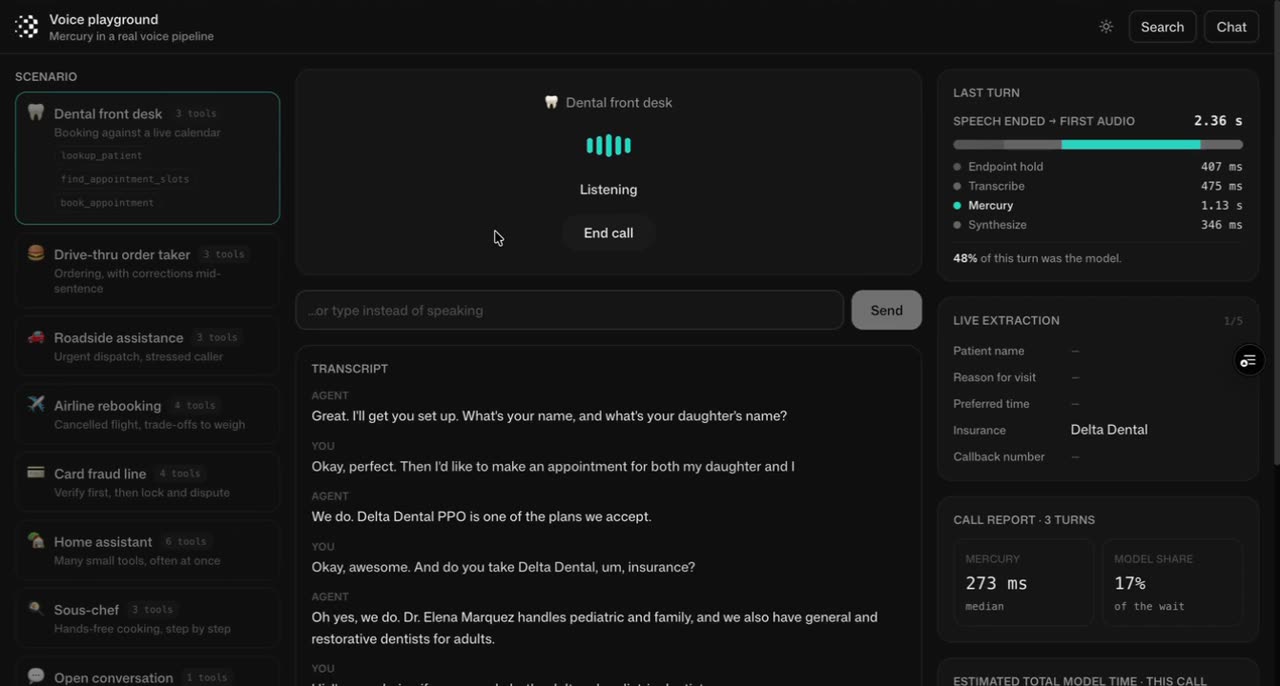
A narrower customer. Generic assistants now compete with products people already have installed. A tool for one job — phone bookings, a single creator account, a brand check — can still be a company because the workflow is the product.
Work that already has a process. Automations in this list run across Slack, mail, a tracker, or a team’s notes. They are more concrete than a chatbot that waits for a prompt, because the trigger and the output already exist.
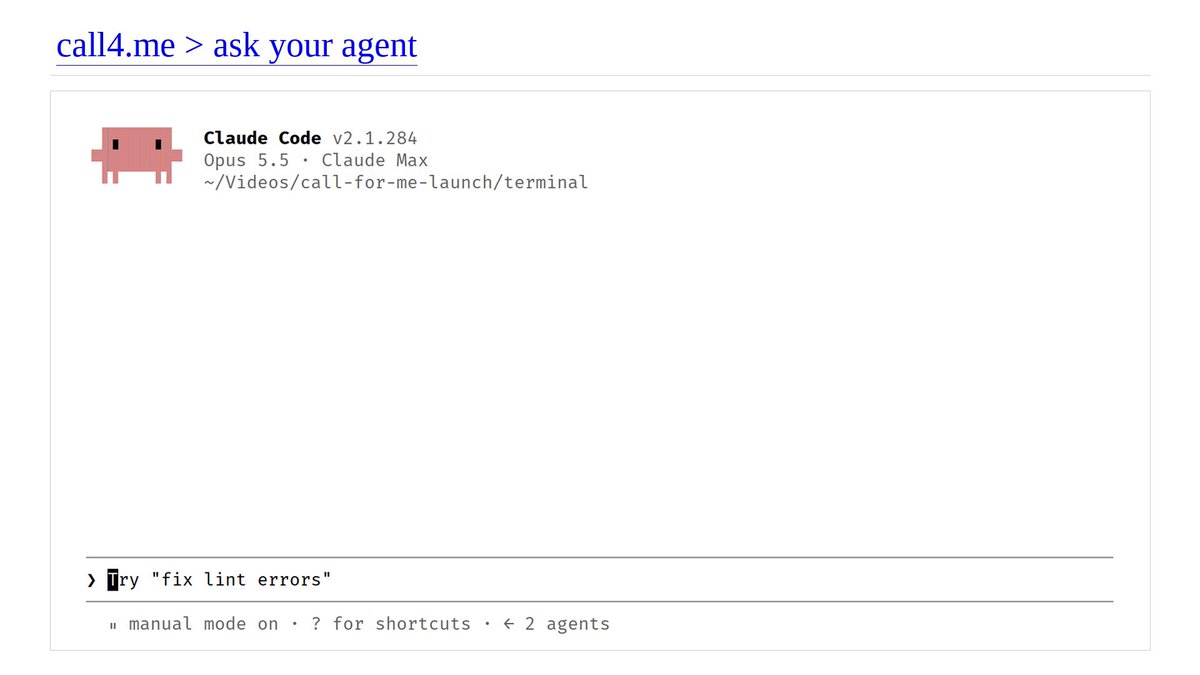
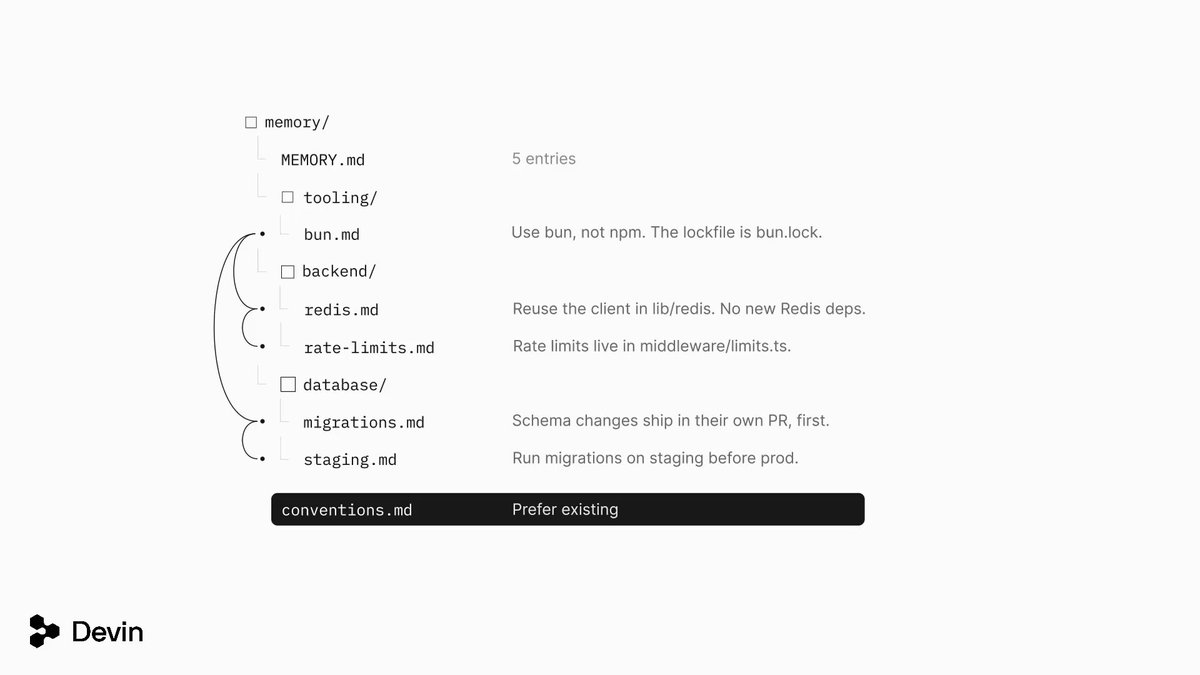
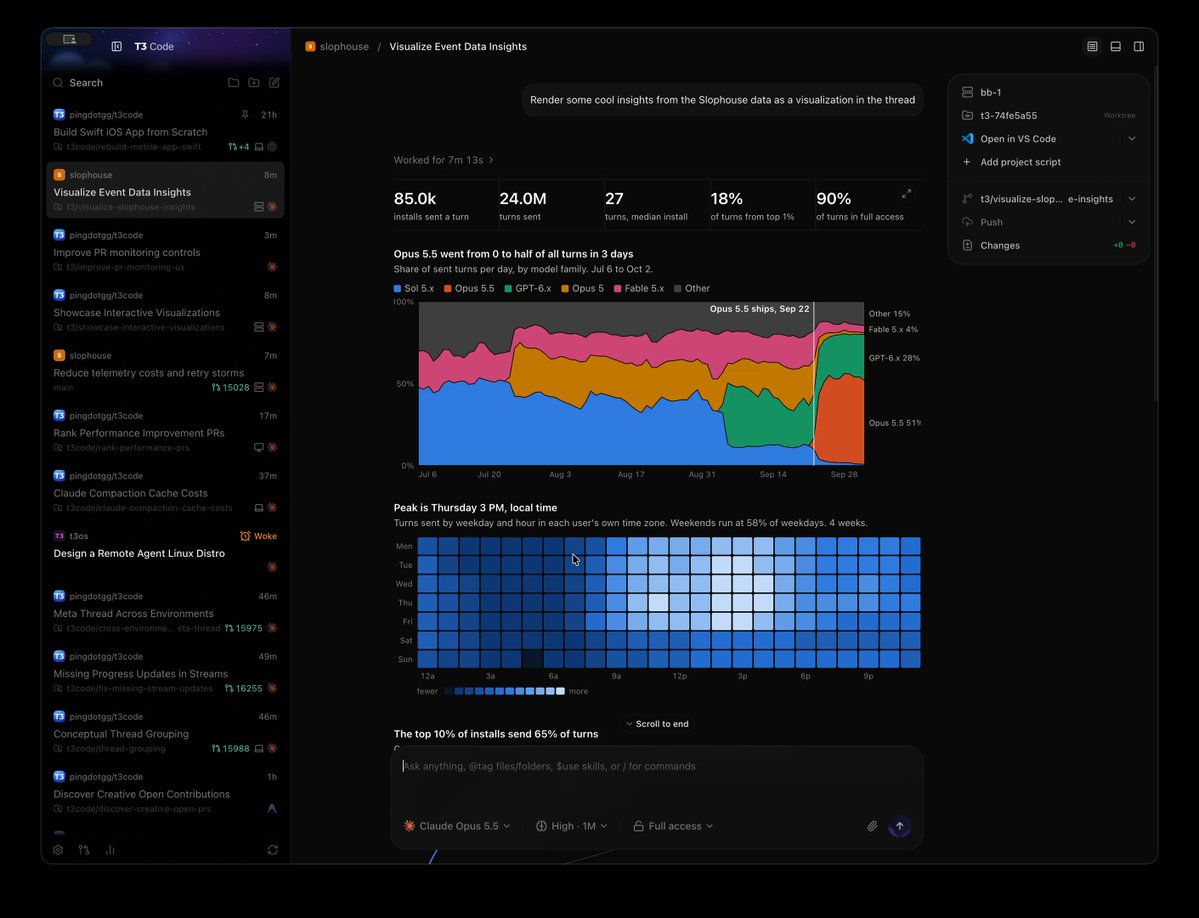
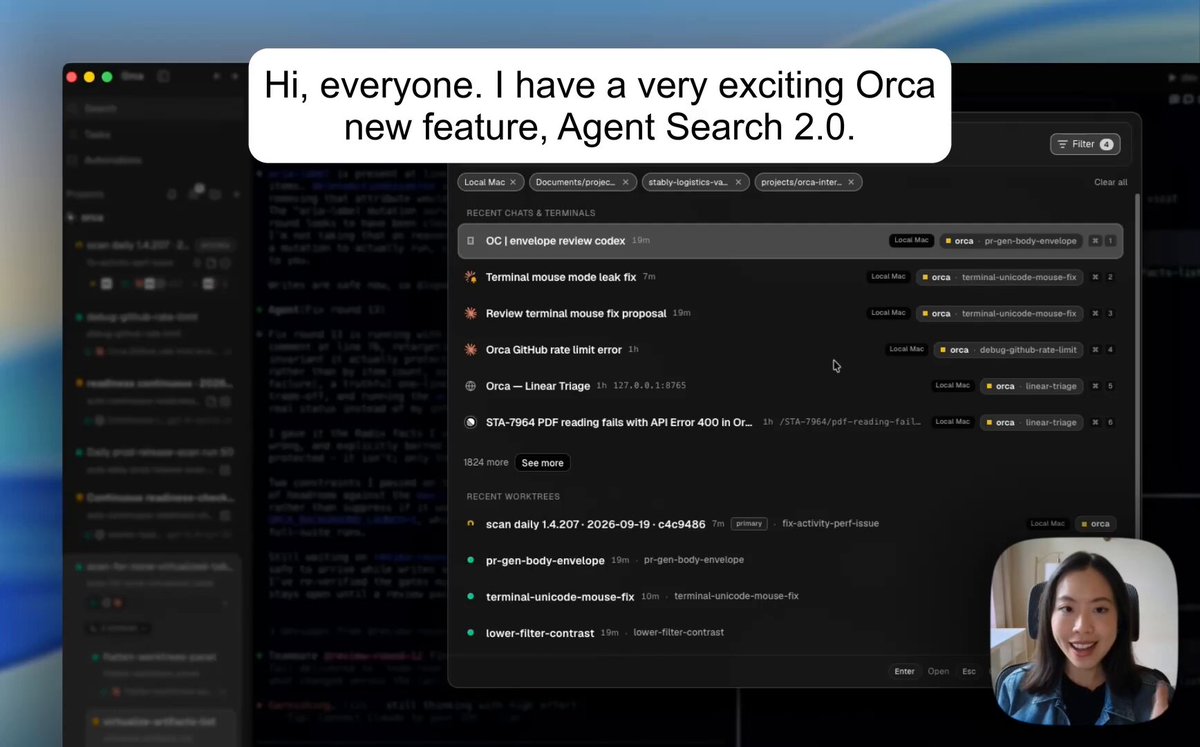
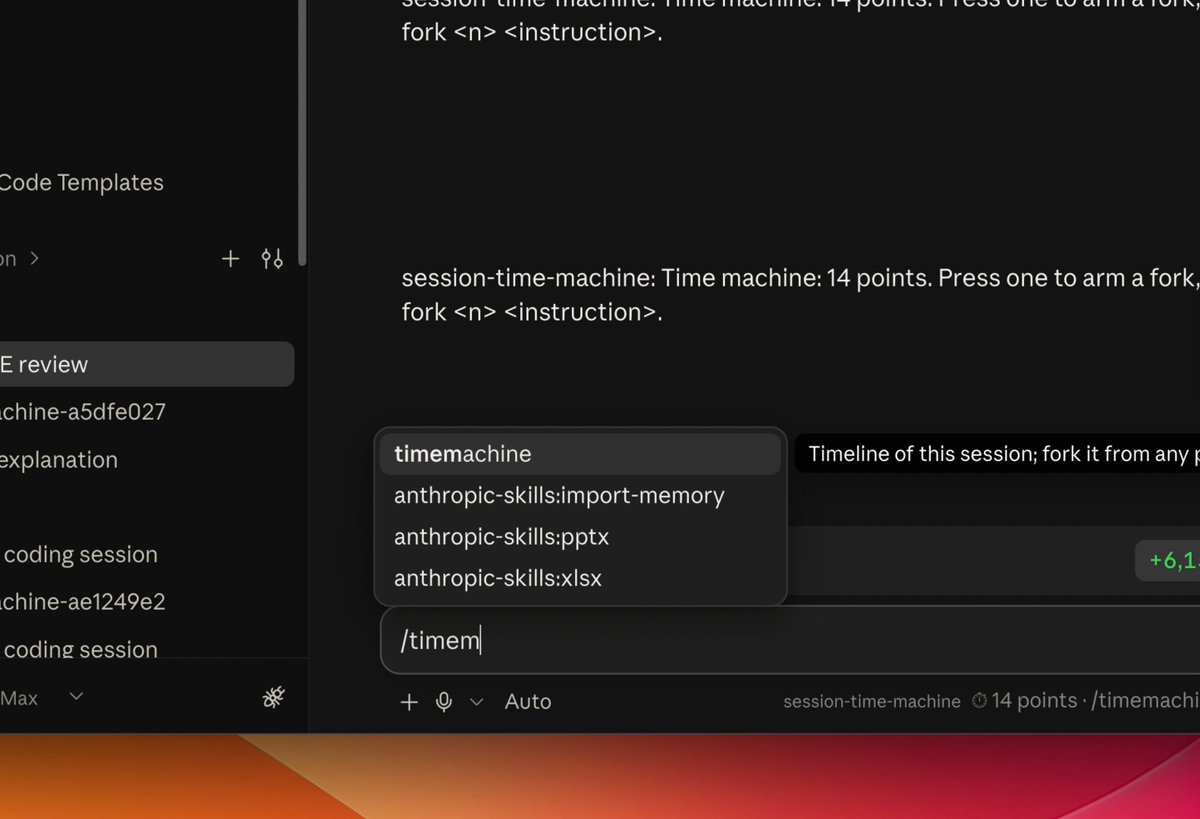
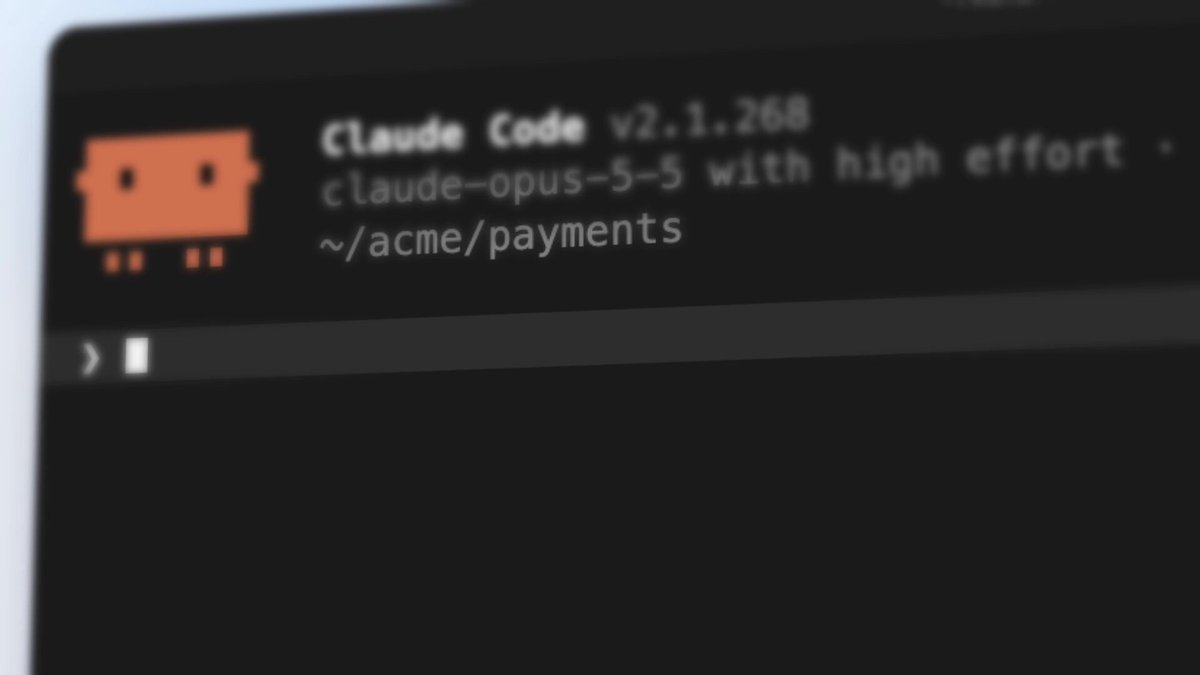
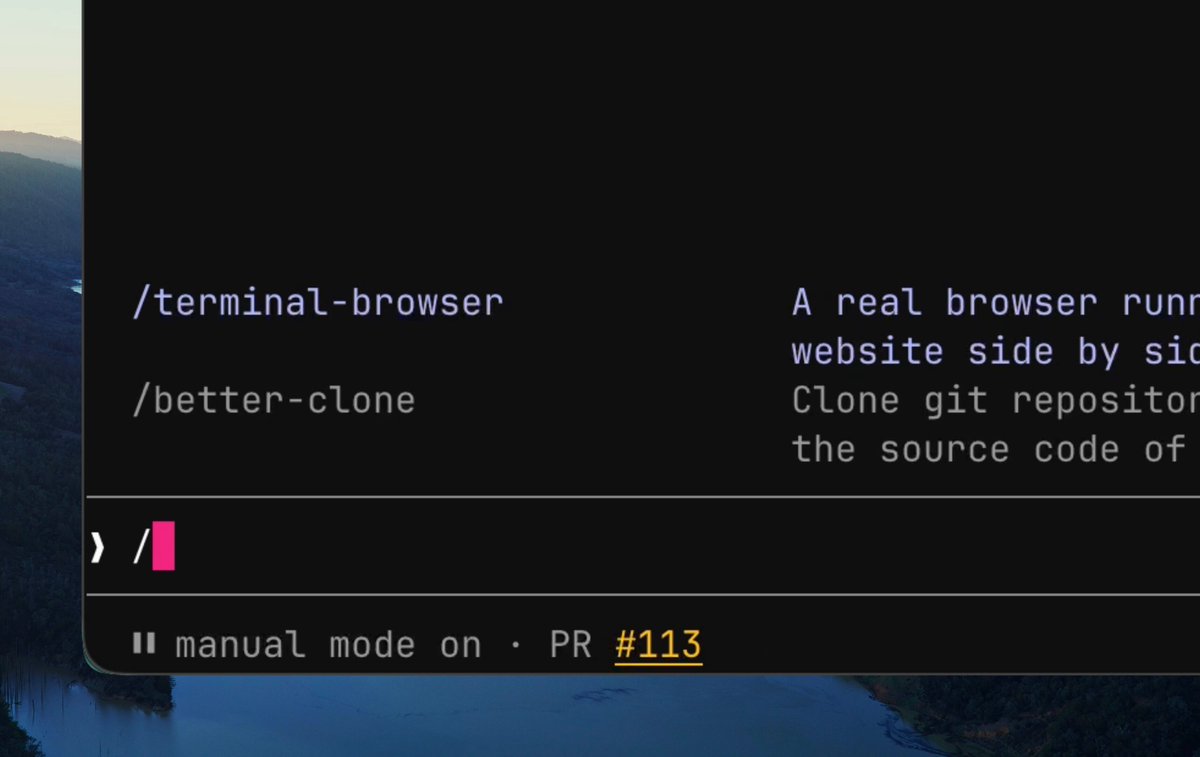
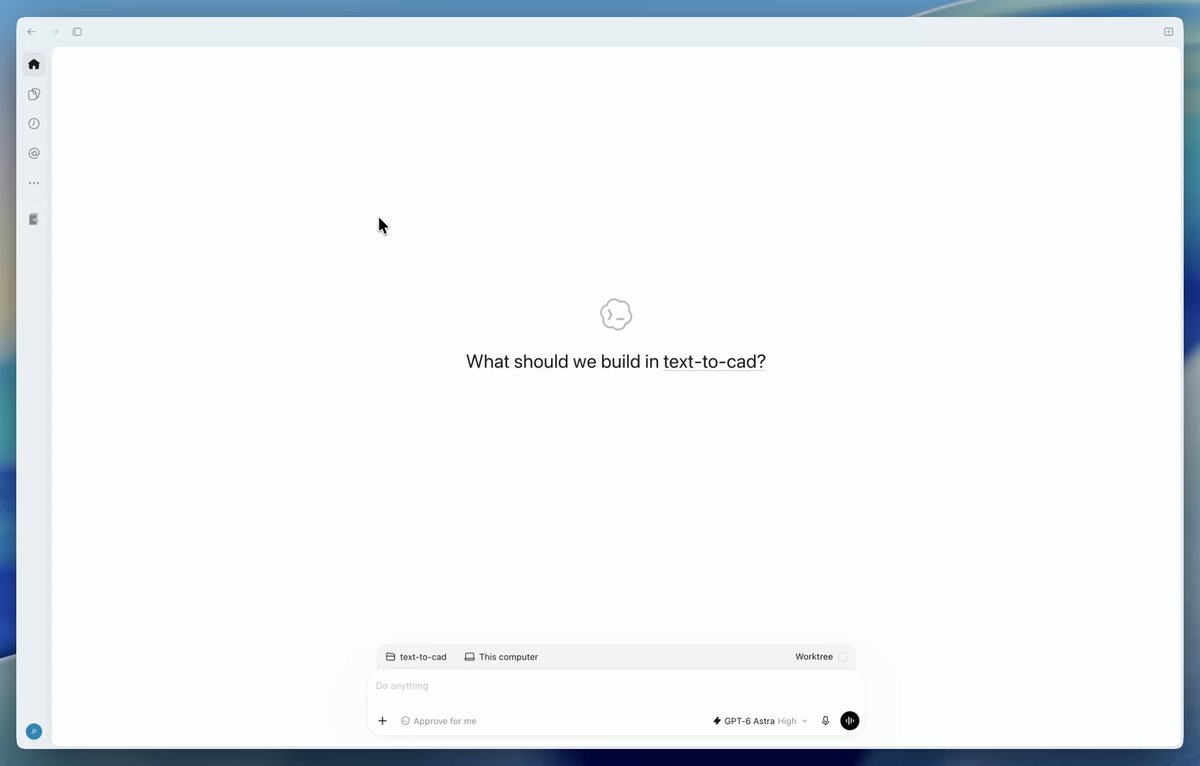
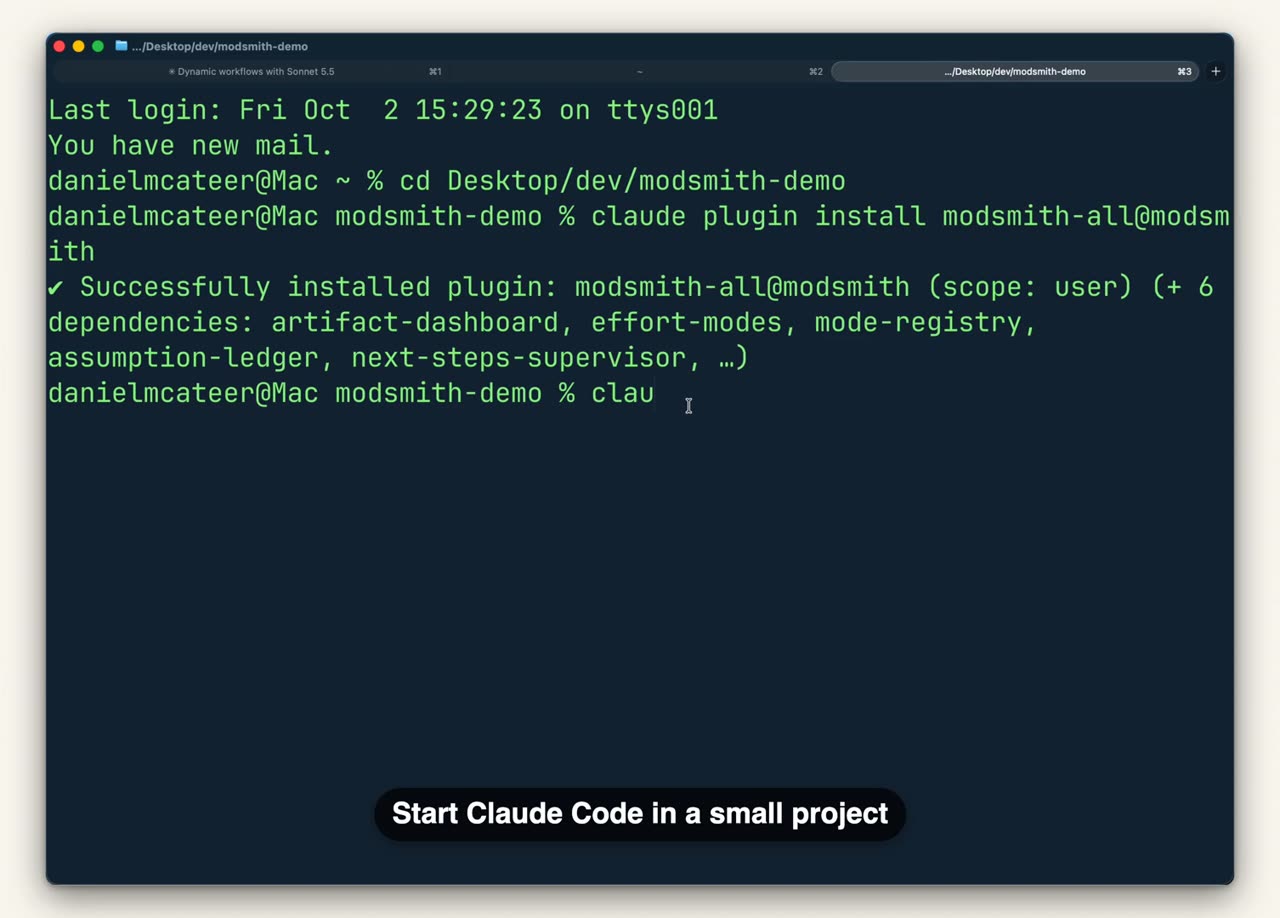
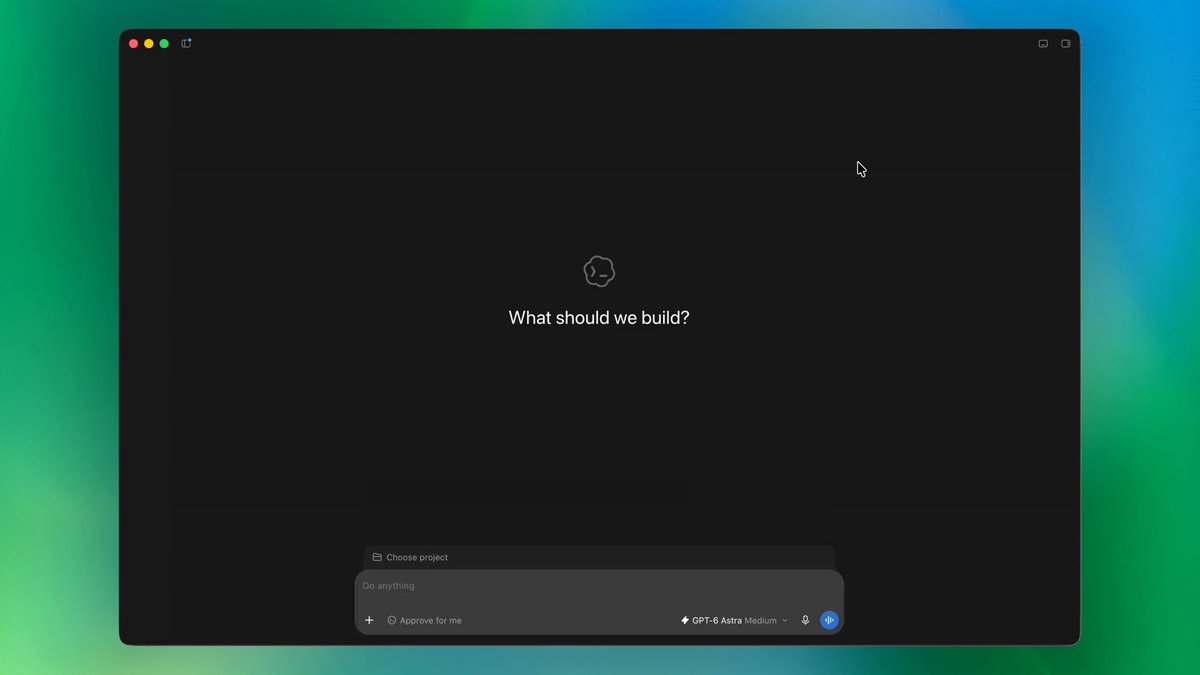
Tools for people building AI products. Coding agents created a second market: memory, trace review, permissions, sandboxes, and a way to steer a run. That infrastructure is unglamorous and easier to sell to a developer who is already in pain.
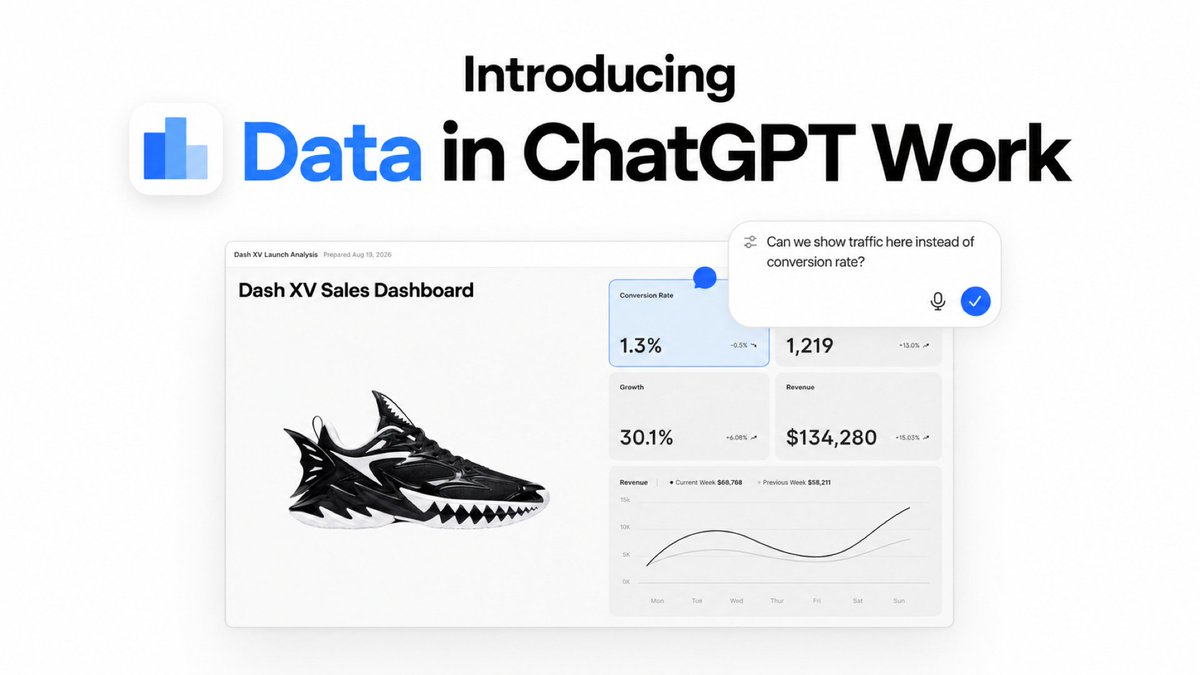
Agents with a result you can check. A browser task, a call, a dashboard, or a cut on a timeline can be judged. An agent that only sounds fluent is harder to charge for, and harder to tell from the platform it sits on.
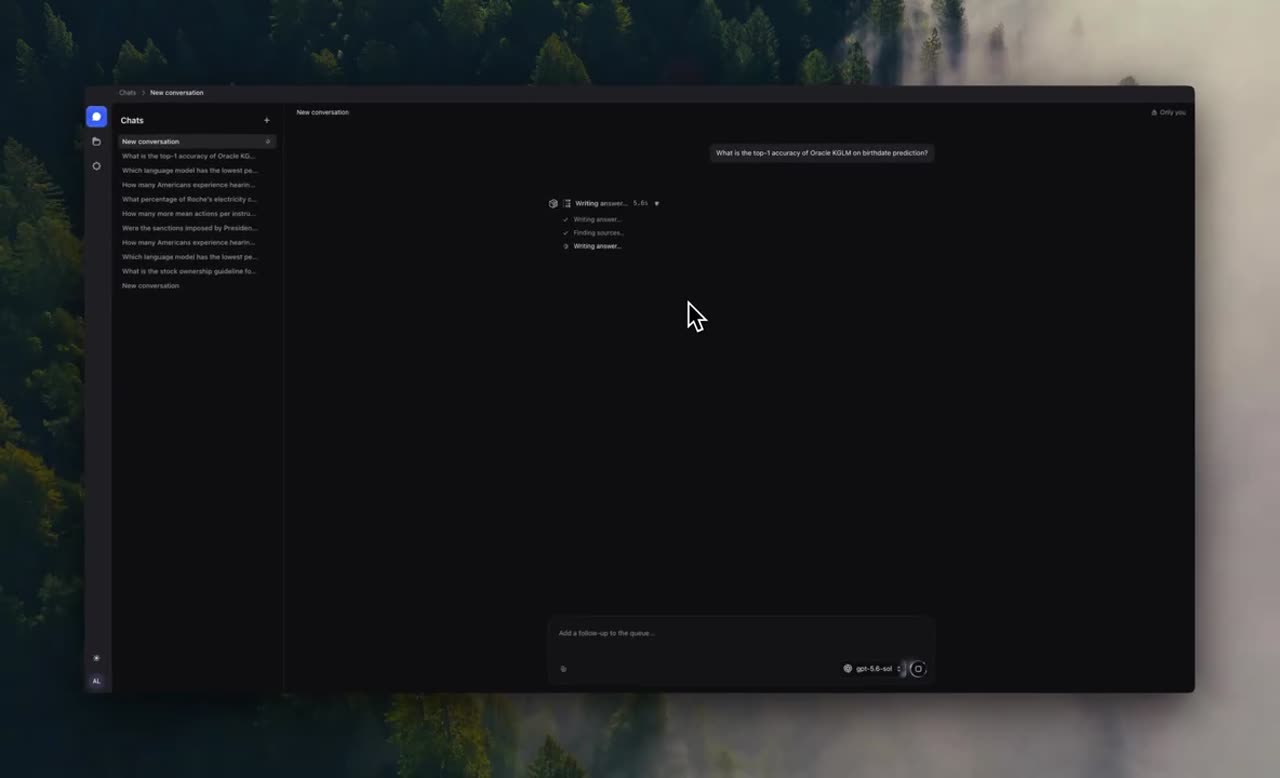
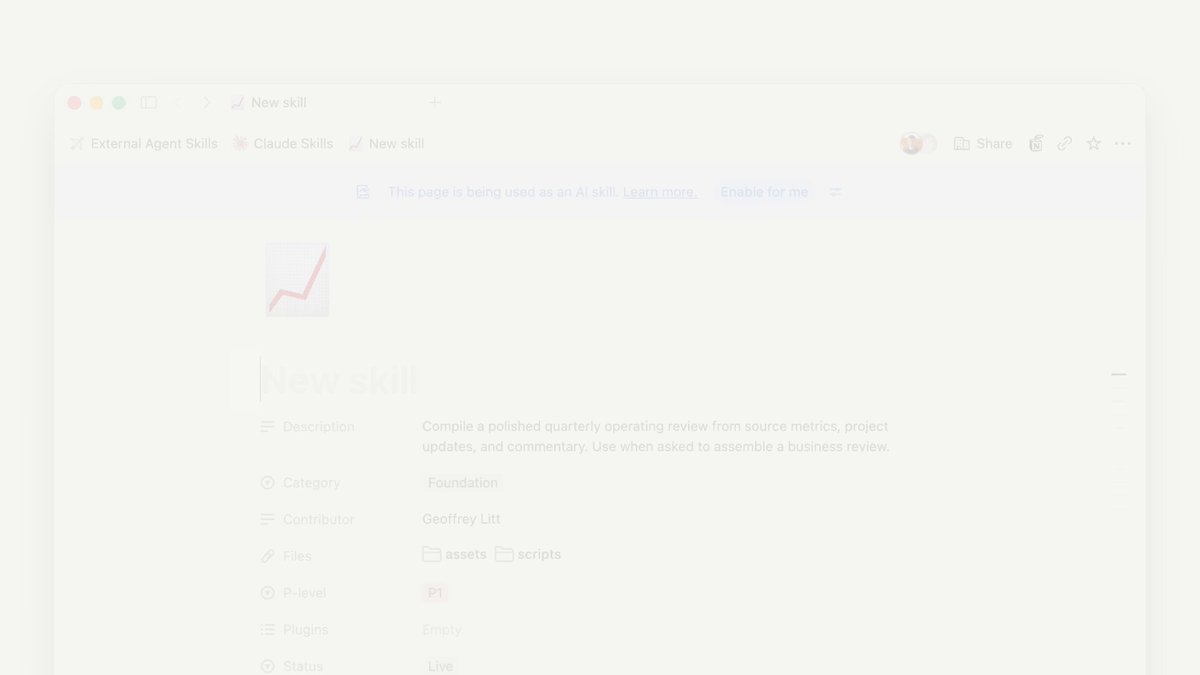
AI inside software people already use. Skills in a team workspace, extensions in a desktop the company rolled out, a local model for the private step of a larger job. Those asks are smaller than “change how you work.”